
- All
- Product Name
- Product Keyword
- Product Model
- Product Summary
- Product Description
- Multi Field Search
English
Views: 0 Author: Site Editor Publish Time: 2026-08-04 Origin: Site


Acquiring a new dyeing machine dictates long-term operational efficiency, product quality, and environmental compliance for any modern mill. As the global textile market expands, facilities face mounting pressure to adopt scalable, future-proof technology. You must remain competitive against rising utility demands and increasingly strict environmental mandates. The core operational problem lies in balancing high production throughput with the intense consumption of water, steam, and electricity, all while preventing mechanical damage to delicate fabrics and ensuring strict batch-to-batch consistency.
This technical evaluation framework empowers mill managers, plant engineers, and procurement heads to objectively assess machine specifications. You will learn how to align equipment capabilities with specific fabric requirements, evaluate utility consumption metrics, and properly vet a fabric dyeing machine supplier to ensure seamless integration into your existing production lines.
Liquor Ratio Drives Profitability: Ultra-low liquor ratio technologies directly correlate with reduced water, steam, and chemical consumption, forming the baseline for ROI calculations.
Material and Stage Alignment is Non-Negotiable: Selecting the right equipment must be dictated by the production stage (yarn, fabric, or garment) and structural tension tolerance, not just capacity.
Long-Term Costs Exceed Capital Outlay: Long-term costs are heavily influenced by installed motor power, automation reliability, and the availability of spare parts from the dyeing machine manufacturer.
Lab-to-Bulk Reproducibility: Successful implementation requires verifying that sample dyeing results can be accurately and consistently scaled to production batches without excessive shading corrections.
Equipment requirements change drastically depending on the stage of textile production. You cannot repurpose a machine designed for one stage to handle another without severely compromising quality. Package and yarn dyeing machines utilize pressurized vessels where dye liquor is forced through wound yarn packages. This requires high-pressure pumps and precise flow reversal mechanisms to ensure even penetration from the inside out and outside in. The winding density of the yarn packages must perfectly match the pump's pressure capabilities to avoid channeling, where dye bypasses the denser areas of the spool.
Continuous or batch fabric systems operate differently, focusing on moving large continuous lengths of material through a dye bath. Specialized garment machines, such as rotary drum or paddle machines, are engineered to process fully finished apparel. These machines must agitate the garments enough to achieve uniform color penetration across thick seams, collars, and zippers without causing mechanical damage to the finished product. Paddle speeds and drum rotation cycles must be highly adjustable to accommodate everything from heavy denim jackets to lightweight cotton t-shirts.
Aligning machine capacity with your average batch sizes prevents underutilization and overloading. Underloading a machine alters the liquor ratio, leading to excessive water and chemical use per kilogram of fabric. Overloading restricts fabric movement, causing uneven dye penetration, severe crease marks, and patchy shading. You must calculate the exact nominal capacity based on the specific weight (GSM) and volume of your typical production runs. A machine rated for 1000 kilograms might easily hold that weight in heavy fleece, but it will physically overflow if you attempt to load 1000 kilograms of lightweight single jersey.
Establish baseline metrics for expected daily output versus cycle times. A machine that processes 500 kilograms in four hours offers vastly different throughput than one requiring six hours for the same load. Ensure the textile production equipment meets your facility throughput targets without forcing operators to cut corners on rinsing or fixation cycles. Look closely at the liquor turnover rate—how many times the entire volume of the dye bath passes through the fabric per minute. Higher turnover rates generally equate to shorter cycle times and more level dyeing.
Different textiles possess distinct structural limitations. Elastane blends stretch easily and lose their recovery properties if subjected to high tension or excessive heat during the wet processing stage. Heavy cottons require extended dwell times for reactive dyes to penetrate fully into the core of the fiber. Delicate silks demand ultra-gentle handling to prevent surface abrasion, while synthetic polyesters require high-temperature, high-pressure (HTHP) environments for disperse dyes to bond effectively.
Mechanical action directly impacts the fabric surface. High friction leads to pilling, hairiness, and permanent crease marks. Tensionless or low-tension handling is mandatory for knits to prevent dimensional distortion. When evaluating equipment, you must prioritize the transport mechanism—whether it uses a motorized winch, a venturi nozzle, or an aerodynamic airflow system—to match the structural integrity of your primary fabric types. Running a sensitive modal blend through an aggressive high-pressure jet nozzle will destroy the fabric surface before the dyeing cycle even finishes.
Global regulations on wastewater discharge and carbon footprints are tightening rapidly. Facilities can no longer rely on legacy equipment that consumes 100 liters of water per kilogram of fabric. Modern systems must integrate seamlessly with your environmental strategy, minimizing effluent volume and reducing the chemical load sent to the effluent treatment plant (ETP). Lower water consumption directly translates to lower steam consumption, which reduces the amount of coal, gas, or biomass burned in your boilers.
Advanced equipment supports Zero Liquid Discharge (ZLD) initiatives by operating at ultra-low liquor ratios and integrating with internal water recycling loops. Energy recovery systems, such as heat exchangers that capture thermal energy from drained wastewater to preheat incoming fresh water, are now standard requirements for compliant and efficient operations. Dropping the temperature of your discharged effluent from 90°C to 40°C through a heat exchanger reclaims massive amounts of thermal energy that would otherwise be flushed down the drain.
Smaller-scale, precision-controlled lab machines function as the testing ground for recipe formulation and color matching. They replicate the exact thermal and hydraulic conditions of bulk production vessels but process only a few grams or kilograms of material. These units utilize precise dosing and temperature gradients to establish the baseline parameters for new shades. Infrared heating systems are common in modern lab machines, providing exact temperature control without the lag associated with traditional steam heating.
Smart mills invest heavily in sample machines to test materials and ensure 1:1 recipe scalability. Testing materials in the lab allows technicians to fine-tune chemical auxiliaries, adjust pH levels, and verify colorfastness before committing hundreds of kilograms of fabric to a large production run. This drastically reduces the risk of costly re-dyeing. A robust lab setup includes multiple beaker sizes to simulate different liquor ratios accurately.
Jet systems transport fabric through a closed tubular vessel using a high-velocity stream of dye liquor. The fabric rope is pulled through a venturi tube by the force of the liquid itself, eliminating the need for a mechanical drive reel in purely jet-driven models. This creates a highly turbulent environment that forces the dye into the fibers rapidly. The nozzle pressure can often be adjusted between 1 and 3 bar depending on the fabric weight.
These machines excel at processing polyester and synthetic blends that require HTHP conditions, typically operating up to 135°C or 140°C. The intense fluid dynamics ensure rapid dye exhaustion. However, the high mechanical friction and rapid acceleration present severe limitations for delicate natural fibers. Processing sensitive materials in a standard jet system often results in permanent crease marks, surface abrasion, and structural degradation.
Soft flow systems modify the jet concept by using a gentler liquor stream combined with a mechanical transport winch. The winch lifts the fabric, while a low-pressure liquor nozzle guides it through the transport tube. Airflow systems take this a step further by using a mixture of atomized air and steam to transport the fabric, injecting the dye liquor directly into the airstream. This drastically reduces the amount of water required to move the material.
These technologies are absolute necessities for processing knits, terry towels, and tension-sensitive fabrics. The gentle handling prevents dimensional stretching and surface pilling. When evaluating these systems, you must weigh the ultra-low liquor ratio and utility savings of airflow technology against its operational complexity. Airflow systems demand highly filtered air and meticulous maintenance of the blower turbines to maintain consistent fabric transport. If the blower fails mid-cycle, the fabric stops moving immediately, resulting in severe unlevelness.
Jigger and beam machines process fabric in an open-width format rather than in a rope form. In a Jigger, the fabric passes back and forth through a dye bath via two main rollers. In a Beam machine, the fabric is wound tightly onto a perforated cylinder, and the dye liquor is pumped through the layers of material under pressure. Both systems require precise selvedge alignment to prevent the edges of the fabric from curling or tearing.
These open-width systems are specified for woven fabrics, heavy canvas, poplins, and materials that cannot withstand the folding and creasing inherent in rope-form processing. They keep the fabric completely flat, ensuring uniform color across wide widths. However, they present significant tension control challenges. Jiggers exert longitudinal tension on the fabric, making them entirely unsuitable for stretchable knits or elastane blends, which would permanently deform under such stress.
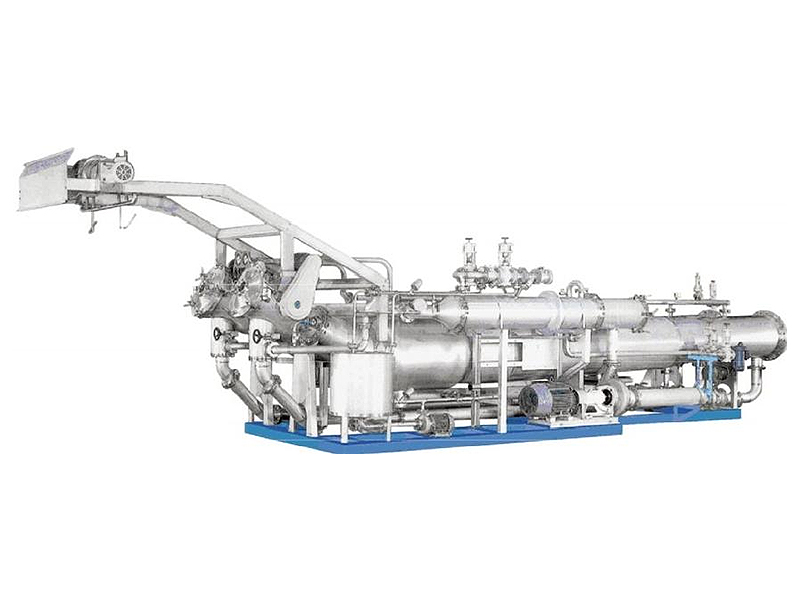
Machine Type | Transport Mechanism | Ideal Fabric Applications | Primary Limitations |
|---|---|---|---|
Jet Machine | High-velocity liquor via venturi tube | Polyester, synthetic blends, heavy wovens | High friction; causes crease marks on delicate fibers |
Soft Flow | Mechanical winch + gentle liquor stream | Cotton knits, terry towels, sensitive blends | Higher water usage compared to airflow systems |
Airflow | Atomized air and steam mixture | Tension-sensitive knits, Lycra blends | Requires strict maintenance of blower turbines |
Jigger | Open-width roller transfer | Heavy canvas, poplins, rigid wovens | Exerts high longitudinal tension; unsuitable for knits |
The liquor ratio represents the weight of the fabric compared to the volume of water required for the dye bath. An L.R. of 1:4 means one kilogram of fabric requires four liters of water. Evaluating L.R. claims requires strict scrutiny. A reduction from 1:8 to 1:4 halves the water consumption, but more importantly, it halves the thermal energy required to heat that water to dyeing temperatures and halves the volume of wastewater requiring treatment. For a 1000-kilogram batch, dropping the L.R. from 1:8 to 1:4 saves 4000 liters of water per fill.
You must approach unrealistic L.R. claims with caution. Theoretical ratios often fail to account for the specific absorbency of the fabric being processed. Heavy cotton terry cloth absorbs significantly more water than lightweight polyester. A machine claiming a 1:3 ratio might function perfectly for synthetics but fail to provide enough free liquor to properly circulate and dye highly absorbent natural fibers, leading to patchy results and pump cavitation.
Electrical consumption is driven primarily by the main circulation pump and the aerodynamic blowers. You must analyze the correlation between the main pump design, the impeller efficiency, and actual kilowatt-hour usage per batch. Oversized motors waste electricity, while undersized motors fail to achieve the necessary liquor turnover rates for even dyeing. Look for pump curves that demonstrate high efficiency across a wide range of operating pressures.
Variable frequency drives (VFDs) are mandatory for modern operations. VFDs optimize pump speed based on the specific fabric load and liquor viscosity. Instead of running the pump at 100% capacity continuously, the VFD adjusts the RPM to maintain the exact flow rate required for the current cycle phase. This intelligent control drastically reduces electrical draw during holding patterns and gentle rinsing cycles, extending the lifespan of the motor bearings.
The chemical environment inside a dye vessel is exceptionally harsh. Wetted parts face constant exposure to high-salinity reactive dye baths, extreme pH fluctuations from caustic soda and acids, and temperatures exceeding 130°C. You must specify high-grade stainless steel, strictly requiring AISI 316L or 316Ti for all internal components. The addition of molybdenum in these alloys provides essential resistance against pitting corrosion and chloride stress cracking caused by heavy salt usage.
Vessel construction quality directly impacts fabric integrity and machine lifespan. Inspect the weld quality; all internal seams must be flawlessly smooth. The vessel thickness must withstand continuous pressurization and depressurization cycles without metal fatigue. Furthermore, comprehensive electropolishing of the internal surfaces is required to eliminate microscopic burrs that could snag delicate fabrics or trap residual dye, which causes cross-contamination between batches.
Manual intervention introduces human error, the leading cause of shade variation. Programmable logic controllers (PLCs) automate the entire process, executing precise temperature gradients, managing chemical dosing schedules, and controlling fill and drain cycles with exact timing. A robust PLC ensures that a recipe executed on a Tuesday yields the exact same shade when repeated three weeks later. Modern PLCs integrate directly with central dye house management software for real-time monitoring.
Automated proportional dosing systems are essential for reactive dyeing. Instead of dumping alkali into the bath all at once—which causes rapid, uneven dye fixation—proportional dosing injects the chemicals gradually over a set timeframe based on a predefined curve. This controlled exhaustion prevents uneven dyeing, eliminates the need for aggressive leveling agents, and directly improves the right-first-time (RFT) rate. Operators can select linear, progressive, or regressive dosing curves depending on the specific dye affinity.
Procurement teams frequently face conflicting claims from different manufacturers. One supplier emphasizes an ultra-low liquor ratio to minimize water usage. Another highlights minimal installed motor power to reduce electrical load. A third focuses entirely on specialized plaiting mechanisms for gentler fabric handling. No single machine excels perfectly across all these metrics simultaneously; physics dictates certain trade-offs. A machine with massive blowers for airflow transport will save water but consume more electricity.
Implement a weighted matrix approach to prioritize features based on your specific operational bottlenecks. If your facility operates in a drought-prone region with strict effluent discharge limits, prioritize the ultra-low liquor ratio of an airflow system. If you process highly sensitive, high-margin silk or Lycra blends, prioritize the transport mechanism and gentle handling features above raw utility metrics. Align the machine's primary strength with your facility's greatest operational vulnerability.
Evaluate the financial impact over a 5-to-10-year lifecycle. A lower-cost, high-liquor-ratio machine might look attractive on the initial purchase order, but the daily consumption of steam, water, and electricity will rapidly erode those upfront savings. Compare this against a premium, low-liquor-ratio machine.
Calculate the break-even point based on your local water and energy tariffs. If steam costs are exceptionally high in your region, the payback period for a highly efficient machine might be less than two years. Factor in the reduced chemical consumption as well; running a 1:4 liquor ratio requires half the salt and alkali compared to a 1:8 ratio to achieve the same concentration in the bath.
The reliability of an industrial dyeing machine depends heavily on its component architecture. Analyze the implications of proprietary versus off-the-shelf components. Machines built with standard, globally available pneumatic valves, sensors, and pump seals allow your internal maintenance team to source replacements locally. Proprietary components force reliance on the manufacturer, leading to extended delays during breakdowns.
Machine downtime severely impacts production schedules. Modern equipment should feature predictive maintenance capabilities integrated into the PLC. These systems monitor vibration in the main pump bearings, track the actuation cycles of steam valves, and alert operators to pressure drops across heat exchangers before a catastrophic failure occurs. Proactive component replacement prevents mid-batch failures that ruin entire fabric loads.
The delivery of the physical machine marks only the beginning of the integration process. Define the expected standard for commissioning. The supplier's technicians must remain on-site to conduct wet trials, optimize your existing dyeing recipes for the new vessel dynamics, and calibrate the dosing curves. A machine left uncalibrated will never achieve its stated efficiency metrics. They must run actual production batches, not just water trials.
Evaluate the supplier's commitment to training your mill operators. Transitioning from legacy equipment to highly automated PLCs requires a shift in operational philosophy. The supplier must provide comprehensive training on navigating the control interface, programming new temperature gradients, and troubleshooting common hydraulic faults. Operator confidence dictates the ultimate success of the installation.
Scrutinize the warranty documentation meticulously. A standard industrial warranty must cover the structural integrity of the pressure vessel, the main pump motors, and the primary electronic control boards. Identify exactly what is excluded, such as mechanical seals, gaskets, and standard wear parts. Ambiguous warranty terms often leave mills responsible for expensive repairs during the first year of operation.
Negotiate strict Service Level Agreements (SLAs) regarding technical support response times. When a machine faults out with 500 kilograms of fabric sitting in a hot dye bath, waiting 48 hours for a callback is unacceptable. Ensure the SLA guarantees immediate remote diagnostic support via secure network connections and defines maximum lead times for dispatching critical spare parts to your facility.
Never accept theoretical performance data at face value. Instruct your technical team to request detailed case studies or visit reference sites demonstrating the manufacturer's ability to scale recipes from lab sample machines to bulk production. The transition from a 5-gram sample to a 1,000-kilogram batch amplifies any hydraulic or thermal inconsistencies in the bulk machine. Ask for historical RFT data from existing clients.
A reliable textile dyeing machine ensures that the exhaustion and fixation rates achieved in the lab are replicated precisely in the production vessel. High failure rates in lab-to-bulk reproducibility force operators to perform manual shading additions, which consumes extra chemicals, extends cycle times by hours, and severely degrades the overall efficiency of the dye house.
Installing heavy industrial equipment requires meticulous site preparation. Identify common installation bottlenecks early in the planning phase. Verify the floor load-bearing capacity; a fully loaded HTHP vessel filled with water and fabric exerts massive structural stress on the concrete pad. Check ceiling heights to ensure sufficient clearance for loading winches and accessing the top of the vessel for routine maintenance.
Conduct a comprehensive site audit prior to finalizing the machine footprint. Ensure the new equipment aligns perfectly with your existing steam headers, compressed air lines, and soft water supply pipes. Inadequate steam pressure or insufficient water flow rates will prevent the machine from achieving its programmed heating gradients and rinsing efficiencies, rendering the advanced PLC controls useless. Map out the drainage trenches to handle the rapid discharge volumes.
Verify concrete pad thickness and structural reinforcement requirements.
Measure overhead clearance for winch operation and maintenance access.
Test incoming steam pressure at the header to ensure it meets the machine's minimum bar requirements.
Calculate the peak flow rate of your soft water supply to guarantee fast fill times.
Inspect the capacity of your effluent drainage trenches to prevent flooding during rapid drain cycles.
The human element presents a significant implementation risk. Address the potential for operator resistance to new automated systems, particularly when your team is transitioning from manual or semi-automated legacy equipment. Operators accustomed to manually overriding valves and adjusting temperatures by feel often distrust automated dosing curves and locked PLC programs. They might attempt to bypass safety interlocks if they do not understand the system logic.
Implement a phased transition strategy. Run the new equipment alongside legacy machines initially to build trust in the automated results. Establish continuous training programs to bridge the skills gap, focusing on how the automation makes their daily tasks safer and more predictable. When operators understand the mechanics behind the PLC decisions, they transition from manual laborers to process technicians capable of optimizing the dye cycles.
The optimal machine is not the one boasting the most advanced features on paper, but the one whose technical specifications strictly align with your primary fabric types, production stage, and facility constraints. Success requires looking past marketing claims and rigorously evaluating hydraulic performance, material construction, and automation reliability. You must ensure the equipment fits your physical infrastructure and matches the technical capabilities of your workforce.
Audit your current utility consumption to identify specific bottlenecks in water, steam, or electrical usage before contacting suppliers.
Categorize your primary fabric production by weight, tension sensitivity, and fiber composition to narrow down the required transport mechanism.
Demand real-world performance data and reference site visits from the supplier to verify lab-to-bulk reproducibility claims.
Assess your facility's infrastructure, ensuring adequate floor strength, ceiling clearance, and utility line capacity before finalizing any footprint.
Develop a mandatory, phased training program for operators to ensure smooth adoption of new PLC and automated dosing systems.
If you are looking for a suitable dyeing solution for your textile production, feel free to contact MIXC for professional support and equipment recommendations.
A: The transport mechanism is the most critical factor. Delicate knits require low-tension or tensionless handling to prevent dimensional distortion and surface pilling. Soft flow or airflow machines are ideal because they use gentle liquor streams or air to move the fabric, avoiding the high friction and stretching associated with standard jet or jigger machines.
A: AISI 316L stainless steel contains molybdenum, which provides superior resistance to pitting and crevice corrosion. Dye baths utilize high concentrations of salts, reactive chemicals, and extreme pH levels at high temperatures. Standard steel would rapidly corrode under these conditions, leading to vessel failure and severe fabric contamination.
A: An ultra-low liquor ratio significantly reduces the volume of water needed per batch. This directly decreases the amount of steam required to heat the bath, lowers the quantity of chemical auxiliaries needed to achieve the correct concentration, and minimizes the volume of wastewater sent to the effluent treatment plant.
A: VFDs control the speed of the main circulation pumps and aerodynamic blowers. Instead of running motors at full capacity constantly, VFDs adjust the RPM based on the specific fabric load and cycle requirements. This intelligent regulation prevents fabric damage from excessive flow and drastically reduces electrical consumption.
A: Lab-to-bulk reproducibility ensures that a color recipe developed on a small sample machine scales perfectly to a large production vessel. High reproducibility eliminates the need for manual shading corrections during bulk production, which saves time, reduces chemical waste, and ensures consistent quality across different batches.


