
- All
- Product Name
- Product Keyword
- Product Model
- Product Summary
- Product Description
- Multi Field Search
English
Views: 0 Author: Site Editor Publish Time: 2026-09-15 Origin: Site


Selecting the wrong fabric dyeing equipment directly impacts profit margins through increased utility costs, higher defect rates (such as crease marks or pilling), and compromised fabric integrity. Textile manufacturers must balance aggressive production speeds and low liquor ratios with the physical limitations of the fabrics they process. High-tension environments destroy delicate structures, while overly gentle systems may lack the mechanical action required for heavy synthetics.
Resolving this requires a strict technical evaluation of transport mechanisms, tension profiles, and utility consumption. This guide breaks down the engineering realities of the jet dyeing machine vs soft flow dyeing machine to help plant managers and procurement teams align machinery capabilities with their specific production mix.
Transport Mechanism Dictates Application: Jet dyeing machines utilize a high-speed jet of dye liquor to transport fabric, making them highly efficient for robust synthetics and wovens, whereas soft flow machines rely on gentle water circulation, minimizing tension for delicate materials.
Fabric-Specific Superiority: Soft flow systems are the industry standard for terry towels, heavy knits, and spandex blends prone to surface distortion, while jet dyeing remains highly effective for standard knitted fabric processing and polyester blends requiring rapid dye penetration.
Utility and Operational Trade-offs: Jet machines typically operate at lower liquor ratios (saving water and chemicals) but carry a higher risk of fabric abrasion. Soft flow machines may require slightly higher water volumes and specialized steam solutions but drastically reduce defect rates in sensitive batches.
Maintenance Realities: Both systems require strict maintenance of guide rollers and pumps; tension variation from worn components will cause uneven dye penetration across the fabric width regardless of the machine type.
Evaluating fabric dyeing equipment requires a deep look at the transport mechanism. The method a machine uses to move the fabric rope through the dye bath dictates its operational limits, utility draw, and ultimate fabric compatibility. Plant engineers must understand the fluid dynamics at play inside the vessel.
Jet dyeing systems rely on an aerodynamic or hydrodynamic transport principle. The machine pulls the fabric rope through a venturi tube using a high-velocity stream of dye liquor. A heavy-duty circulation pump generates this stream, forcing the liquor through a specialized nozzle. As the fabric passes through this nozzle, the high pressure propels it forward into the storage chamber.
This creates a highly turbulent environment. The aggressive mechanical action forces the dye molecules directly into the fiber core. It breaks down the boundary layer of the fabric, accelerating the exhaustion phase and allowing for rapid dye diffusion. This makes the process highly efficient for robust materials that can withstand the physical beating.
Engineers differentiate jet machines by their architectural configurations. The O-type machine features a circular design where the fabric storage area sits below the winch. It operates with lower tension and suits lighter fabrics. The L-type machine utilizes a long tube design, allowing the fabric to stretch out horizontally. It handles higher capacities, reduces tangling for long runs, and is ideal for heavier wovens.
Standard operating parameters for jet systems prioritize efficiency and speed. Typical liquor ratios range from 1:4 to 1:8, meaning for every kilogram of fabric, the machine uses 4 to 8 liters of water. These machines easily handle high maximum operating temperatures, often reaching 135°C to 140°C. They maintain the high-pressure capabilities required for polyester dispersion dyeing, ensuring the dye sublimates and penetrates the synthetic fibers effectively.
Soft flow systems operate on a hydraulic transport principle. Instead of a high-pressure jet blasting the fabric through a venturi tube, the machine transports the fabric using a gentle, continuous circulation of water and dye liquor. The fluid movement carries the material, acting as a liquid conveyor belt.
The mechanical action is minimal. The fabric floats through the transport tube with gravity assistance. The main circulation pump operates at a high volume but low head pressure. This results in near-zero tension on the fabric rope. The gentle handling preserves the surface structure of sensitive textiles, preventing the micro-abrasions that lead to pilling.
Standard operating parameters differ from jet systems to accommodate this gentle action. Typical liquor ratios range from 1:6 to 1:10. The higher water volume is necessary to maintain the hydraulic flotation of the fabric rope. The machines utilize overflow mechanisms and specialized plaiting systems. The plaiter carefully folds the fabric into the storage chamber, preventing tangling without applying mechanical stress or pulling.
Comparing these two systems requires analyzing specific production variables on the factory floor. Fabric type, utility consumption, and quality outcomes drive the selection process for any dye house.
When evaluating knitted fabric processing, you must assess the physical limits of the yarn. Jet dyeing works well for stable knits like heavy cotton interlock. However, soft flow technology prevents loop distortion in single jersey knits. It also prevents elastane damage in high-stretch activewear. High tension in a jet machine can cause micro-ruptures in the elastane core, leading to a loss of elasticity in the final garment.
Soft flow systems are mandatory for delicates and pile fabrics. Terry towels, velour, and fleece require gentle handling to maintain their structure. The hydraulic action prevents pile flattening. It eliminates the surface abrasion that ruins the plush hand feel of these textiles. Running a terry towel through a high-pressure jet nozzle will permanently crush the loops.
Jet dyeing excels with synthetics and high-density wovens. The high mechanical action breaks down boundary layers quickly. This enables rapid dye diffusion in tightly woven structures like polyester gabardine or heavy twills. It ensures deep penetration where a gentle soft flow system would leave the core of the yarn undyed, resulting in a white speckle defect.
Water consumption directly impacts operational overhead. Jet machines use less water per kilogram of fabric. A 500kg batch at a 1:5 ratio uses 2,500 liters of water. Soft flow machines require slightly higher water volumes to maintain the hydraulic flotation. That same 500kg batch at a 1:8 ratio uses 4,000 liters of water.
This water volume creates a cascading effect on thermal energy. Soft flow machines must heat an additional 1,500 liters of water per batch. They require specialized steam solutions and larger heat exchangers. Steam must be injected efficiently to heat the liquor without causing localized overheating in the bath, which would cause dye spotting. Jet machines heat up faster and consume less steam per cycle.
Chemical and effluent impacts follow the water usage. Jet machines consume fewer chemicals (salt, alkali, leveling agents) due to the lower liquor ratio. This reduces the downstream effluent treatment burden. Soft flow machines generate more wastewater, requiring higher capacity effluent treatment plants to handle the increased volume of discharged liquor.
Turbulence in jet machines drives excellent dye levelness for synthetics. The aggressive liquor exchange ensures uniform coverage across the entire fabric rope. The high pump pressure forces the dye liquor through the fabric folds, preventing un-dyed patches.
Soft flow machines achieve levelness through extended circulation times rather than brute force. They inherently reduce friction-induced defects. They mitigate the risk of crease marks, rope marks, and pilling. Jet machines carry a higher risk of these defects if operators do not strictly control winch speeds and nozzle pressures to match the specific fabric weight.
Jet machines generally offer faster cycle times. The aggressive liquor exchange accelerates the exhaustion and fixation phases of the dyeing process. Fabric turnaround times are shorter, increasing overall daily throughput for compatible fabrics. A standard polyester dyeing cycle might take 4 hours in a jet machine compared to 5.5 hours in a soft flow system.
Loading and unloading efficiencies depend on the machine architecture. Both systems utilize automated plaiters and unloading winches. However, the higher capacity L-type jet machines often allow for faster bulk loading of heavy wovens. Delicate soft flow loading procedures require slower winch speeds to prevent stretching the fabric before it even enters the dye bath.
Technical Parameter | Jet Dyeing Machine | Soft Flow Dyeing Machine |
|---|---|---|
Primary Transport Mechanism | Aerodynamic/Hydrodynamic (High-velocity jet nozzle) | Hydraulic (Gentle water circulation and overflow) |
Typical Liquor Ratio | 1:4 to 1:8 | 1:6 to 1:10 |
Ideal Fabric Applications | Polyester, stable wovens, robust synthetics, heavy twills | Terry towels, heavy knits, spandex blends, fleece, delicates |
Fabric Tension Level | Moderate to High (depending on nozzle pressure) | Near-zero (Tensionless flotation) |
Defect Risk (Pilling/Creasing) | Higher (requires strict parameter control and anti-crease agents) | Very Low (inherently protects surface structure) |
Average Cycle Time | Faster (aggressive dye exhaustion and rapid heating) | Slower (relies on gentle circulation and gradual heating) |
Pump Configuration | High head pressure, moderate volume | Low head pressure, high volume |
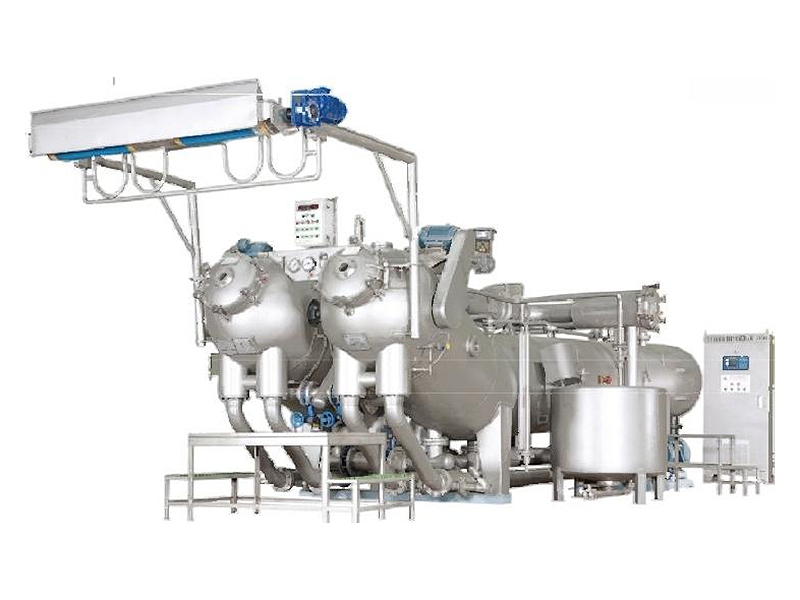
Theoretical capabilities mean little without proper maintenance on the dye house floor. Both machine types demand rigorous upkeep to maintain quality, prevent downtime, and ensure consistent batch-to-batch reproducibility.
Older jigger dyeing machines apply inherent tension to the fabric, pulling it back and forth between two rollers. Modern jet and soft flow systems aim for tensionless transport. However, this tensionless state relies entirely on the mechanical condition of the internal components. Neglect the hardware, and you revert to jigger-like tension problems.
Worn guide rollers, misaligned winches, or degraded PTFE linings in the storage chamber will reintroduce tension variations. When a roller drags due to a failing bearing, it pulls the fabric unevenly. This tension variation leads directly to uneven dye penetration across the fabric width. The stretched areas absorb dye differently than the relaxed areas. Regular inspection of all moving transport parts, including the unloading winch and internal plaiter, is mandatory.
Maintaining a jet dyeing machine requires constant attention to the venturi nozzles. Blocked nozzles disrupt the uniform jet pressure. A partial blockage causes the liquor stream to hit the fabric at an angle. This disruption causes immediate fabric tangling, rope marks, and uneven dye distribution. Operators must clear nozzles routinely and inspect them for wear, as abrasive dyes can widen the nozzle gap over time, dropping the system pressure.
A soft flow dyeing machine relies heavily on its main circulation pump. You must maintain this pump to ensure consistent, gentle water flow. Any pump cavitation—often caused by running the liquor ratio too low or failing to vent trapped air—will disrupt the hydraulic transport. Cavitation causes the fluid flow to stutter, making the fabric rope stall in the transport tube and absorb dye unevenly.
Internal cleaning between dark and light shade cycles dictates your machine downtime. Jet machines, with their high-pressure capabilities, often self-clean effectively through automated boil-off cycles. The high turbulence scrubs the internal walls, removing residual oligomers and unfixed dyes.
Soft flow machines require careful cleaning of their larger water volume areas. You must assess the accessibility of filters and heat exchangers in both architectures. Quick-release lint filters and accessible heat exchanger tubes significantly reduce changeover times. If the secondary filter clogs with lint from fleece or terry fabrics, the pump pressure drops, halting fabric movement. Operators must clean these filters mid-cycle for heavy shedding fabrics.
Successfully integrating new dyeing equipment requires careful vendor selection and proactive risk management. You must anticipate operational challenges before installation and ensure your team is prepared to handle the specific quirks of the new machinery.
Partnering with a proven textile machinery supplier mitigates long-term operational risks. Evaluate vendors based on their spare parts availability. You need immediate access to replacement nozzles, mechanical seals for the main pump, and PTFE wear strips to prevent extended downtime.
Review their service level agreements (SLAs). Ensure they provide robust technical support for PLC and controller software. Modern dyeing relies heavily on automated recipes and precise heating gradients. Software glitches or failed temperature sensors can ruin entire batches if technical support is unavailable to troubleshoot the controller.
Prioritize customization. Request custom nozzle configurations or specific plaiter designs based on your exact factory needs. Off-the-shelf configurations rarely optimize production for specialized fabric mixes. If you run high-GSM fleece, you need a wider transport tube and a heavy-duty plaiter motor.
Transitioning to a new machine type introduces immediate floor risks. Operators used to jet machines will struggle with soft flow parameters, and vice versa. Implement the following troubleshooting steps to mitigate common defects during the transition phase:
Mitigating Fabric Surface Damage (Pilling/Abrasion): High-speed jet transport causes friction against the machine walls. Mitigate this by selecting the proper nozzle size for the fabric weight. Utilize anti-creasing agents in the dye bath to lubricate the fabric rope. Strictly control winch speeds to match the liquor flow rate, preventing the winch from dragging the fabric faster than the water carries it.
Resolving Uneven Dyeing and Patchiness: Inadequate liquor circulation or fabric tangling causes patchiness. The dye does not reach all folds of the fabric rope evenly. Mitigate this through regular calibration of flow meters. Conduct routine inspections of the transport tube for burrs or snags. Adhere strictly to loading capacity limits; overloading chokes the liquor flow and prevents the rope from opening up in the storage chamber.
Preventing Crease Marks in Synthetics: Rapid cooling causes permanent crease marks in thermoplastic fibers like polyester. Program the PLC to enforce a strict cooling gradient (e.g., maximum 1.5°C per minute drop). Ensure the machine has a continuous overflow rinse function to cool the fabric evenly while it remains in motion.
Eliminating Operator Error in Recipe Execution: Manual overrides often lead to temperature spikes or incorrect chemical dosing. Implement fully automated dosing systems to remove human error. Provide continuous operator training on the specific machine's controller interface to ensure they understand the automated parameters and do not bypass safety interlocks.
Managing Pump Cavitation: Cavitation halts fabric movement. Train operators to monitor the differential pressure gauges across the main pump. Ensure the liquor level never drops below the minimum safe operating line during the exhaustion phase, and regularly bleed air from the heat exchanger lines.
There is no universally superior machine. The choice is strictly dictated by your facility's primary fabric mix. Jet dyeing maximizes efficiency, reduces water consumption, and accelerates cycle times for robust synthetics and heavy wovens. Soft flow dyeing remains a non-negotiable requirement for high-quality, tension-sensitive fabrics like terry towels, fleece, and high-stretch knits.
Take the following steps to finalize your equipment strategy and ensure a successful deployment on your factory floor:
Audit your current defect logs to identify if tension, abrasion, or crease marks are your primary quality issues.
Define the exact fabric GSM, stretch percentage, and fiber blends you process most frequently to determine the required nozzle sizes and pump capacities.
Calculate your current water and steam consumption per kilogram of dyed fabric to establish a baseline for utility improvements.
Consult with a specialized machinery supplier to arrange pilot-scale trial runs using your specific fabric structures before committing to a full production line.
A: The primary difference is the fabric transport mechanism. A jet dyeing machine uses a high-velocity stream of dye liquor to move the fabric, creating high turbulence and moderate tension. A soft flow machine uses a gentle, continuous circulation of water to float the fabric through the machine with near-zero tension.
A: Jet dyeing machines are generally categorized by their physical shape, primarily O-type and L-type. O-types feature a circular design, operate with lower tension, and are better for lighter fabrics. L-types utilize a long horizontal tube design, have a higher capacity, and are suited for heavier wovens.
A: While both can process knits, soft flow dyeing machines are generally superior for delicate or high-stretch knitted fabrics. The gentle hydraulic transport prevents loop distortion, elastane damage, and surface pilling that frequently occur in high-turbulence jet systems.
A: Yes, soft flow machines are the industry standard for terry towels. The gentle hydraulic action prevents the pile from flattening. It maintains the fabric's soft hand feel and prevents the surface abrasion common in higher-tension jet machines.
A: Jet dyeing machines typically operate at lower liquor ratios, usually between 1:4 and 1:8. This makes them highly efficient in water and chemical use. Soft flow machines require slightly more water, typically 1:6 to 1:10, to maintain the gentle flotation of the fabric rope.
A: Uneven dye penetration is frequently caused by tension variations from worn guide rollers or misaligned winches. Blocked transport nozzles also disrupt flow. Overloading the machine beyond its specified batch capacity restricts liquor flow through the fabric rope, leading to patchy results.
A: Yes, soft flow machines can process synthetics effectively. However, they require longer cycle times compared to jet dyeing machines. They lack the aggressive mechanical action that rapidly breaks down the boundary layer in synthetic fibers for fast dye diffusion.


