
- All
- Product Name
- Product Keyword
- Product Model
- Product Summary
- Product Description
- Multi Field Search
English
Views: 0 Author: Site Editor Publish Time: 2026-09-23 Origin: Site


Acquiring new textile processing equipment represents a high-stakes capital expenditure for any textile mill. The initial purchase price of the hardware is merely a fraction of the overall financial commitment. Long-term utility consumption, chemical usage, and daily operational expenses quickly dwarf the upfront costs. Partnering with an unverified dyeing machine supplier introduces severe operational risks. These risks include inconsistent batch quality, irreversible fabric tension damage, excessive water and thermal energy consumption, and highly costly unplanned downtime.
To mitigate these risks, textile manufacturers must adopt a systematic, engineering-first framework for vetting equipment partners. You must evaluate potential suppliers based on strict technical specifications, verified utility performance, and robust post-installation reliability. Selecting the right machinery requires looking past marketing claims and focusing on metallurgical integrity, hydraulic efficiency, and advanced automation capabilities. This guide provides a comprehensive methodology to evaluate and select the optimal equipment partner for your production floor.
Utility Efficiency Dictates Profitability: A lower liquor ratio and optimized motor power significantly reduce water, steam, and chemical costs over the machine's lifecycle.
Process-Specific Matching: The optimal factory dyeing solution requires aligning machine types (Jet, Overflow, Beam, Pad-Batch) strictly with your specific fiber types, material forms, and production volumes.
Evaluating Competing Claims: Smart mills look beyond single-metric pitches (e.g., ultra-low liquor ratios) to balance trade-offs between water savings, fabric handling gentleness, and installed motor power.
Support is a Feature, Not an Add-On: A supplier’s ability to provide rapid spare parts, software troubleshooting, and operator training is as critical as the hardware itself.
Compliance and Automation: Modern environmental standards require suppliers capable of delivering eco-friendly, highly automated dosing and control systems.
Before initiating contact with any equipment vendor, you must conduct a rigorous audit of your current and future fabric profiles. Material form and fiber composition dictate the mechanical and thermal requirements of the machinery. Processing heavy woven fabrics requires entirely different tension control mechanisms compared to highly elastic knitted fabrics. Wovens generally tolerate higher mechanical stress and can be pulled through transport tubes with greater force. Knits demand gentle transport systems to prevent elongation, edge curling, and permanent crease marks.
Fiber sensitivity directly influences the required temperature ranges and pressure tolerances. Synthetic fibers, such as polyester, require high-temperature, high-pressure environments to achieve proper dye penetration and fixation. These machines must safely operate at temperatures up to 140°C and withstand significant internal pressure. Natural fibers like cotton, wool, and silk are dyed at atmospheric pressure and lower temperatures. Blended fabrics complicate this matrix, requiring versatile machines capable of executing multi-stage thermal profiles without compromising the integrity of either fiber type. You must document the exact grams per square meter (GSM) range your facility processes to ensure the supplier sizes the nozzles and plaiters correctly.
The chemical realities of your specific dyeing processes must align perfectly with the machine's construction materials and dosing systems. Different dye classes require distinct chemical auxiliaries, pH levels, and temperature gradients. Reactive dyeing of cotton involves high concentrations of salt and alkali. These chemicals become highly corrosive to standard metals when exposed to elevated temperatures over thousands of batch cycles.
To ensure longevity and prevent rust contamination on your fabrics, the internal chambers, main circulation pumps, and pipework must be constructed from high-grade 316L or 316Ti stainless steel. Specific eco-friendly dyeing methods demand precise temperature gradients and highly accurate chemical dosing to ensure repeatable results. If your process requires rapid heating or cooling phases, the machine must feature high-efficiency tubular heat exchangers capable of meeting those thermal demands without causing thermal shock to delicate synthetic blends. The metallurgy of the machine is a non-negotiable baseline requirement.
Accurately calculating required batch sizes and daily throughput prevents over-specifying or under-specifying machine capacity. Under-specifying leads to severe production bottlenecks and excessive wear on overworked pumps and motors. Over-specifying results in partially filled machines, which drastically reduces utility efficiency, increases the effective liquor ratio, and compromises fabric transport dynamics because the fabric rope lacks the necessary volume to move smoothly through the kier.
Audit your historical batch sizes over the past twelve months to identify your true average load.
Calculate your required daily throughput based on maximum seasonal demand.
Determine the maximum fabric width you intend to process to ensure the machine chamber can accommodate the rope without tangling.
Assess the frequency of color changeovers required by your typical order profile.
Consider the operational trade-offs between utilizing multiple small-capacity machines versus high-capacity continuous lines. Multiple smaller machines offer superior production flexibility. They allow you to process various colors and fabric types simultaneously, catering to smaller, fast-fashion orders. High-capacity continuous lines maximize volume efficiency and consistency for massive runs of a single color.
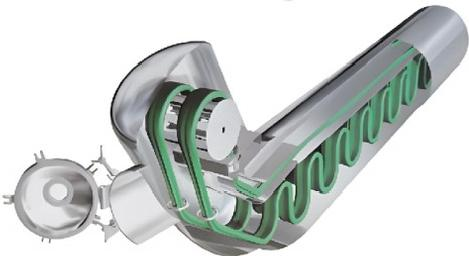
Jet and overflow machines dominate modern batch processing, but they operate on fundamentally different hydraulic principles. Jet machines utilize a high-pressure liquid stream propelled through a Venturi nozzle to transport the fabric rope. This high-speed, high-turbulence environment is ideal for synthetic fibers and tightly woven fabrics that require aggressive dye penetration. The high velocity can cause surface pilling and tension damage on delicate materials, making it unsuitable for lightweight knits.
Overflow machines rely on a gentler hydraulic flow. A motorized winch lifts the fabric, and a large volume of low-pressure dye liquor carries it down the transport tube. This mechanism minimizes mechanical friction and longitudinal tension, making it the preferred choice for delicate knits, terry towels, and loosely constructed fabrics. Key performance indicators for both types include maximum fabric speed, interchangeable nozzle diameters, and precise tension control capabilities synchronized via variable frequency drives.
Machine Type | Transport Mechanism | Ideal Fabric Types | Primary Advantage | Limitation |
|---|---|---|---|---|
Jet Dyeing | High-pressure nozzle stream | Polyester, synthetics, heavy wovens | Rapid dye penetration, low liquor ratio | High tension, potential for surface pilling |
Overflow Dyeing | Low-pressure gravity flow | Cotton knits, delicate fabrics, terry | Gentle handling, minimal tension | Higher liquor ratio compared to pure jet |
Beam Dyeing | Perforated beam, stationary fabric | Warp yarns, delicate wovens, tricot | Zero mechanical friction on fabric | Limited to specific fabric widths and types |
Pad-Batch | Nip rollers and batching station | Large volume cotton wovens and knits | High throughput, excellent energy efficiency | Requires long fixation times (12-24 hours) |
Beam and yarn dyeing machines utilize a stationary material approach. Instead of moving the fabric through the dye bath, a high-capacity centrifugal pump forces the dye liquor through the stationary material. In beam dyeing, the fabric is wound around a perforated cylinder. This method eliminates mechanical friction and tension entirely, making it ideal for delicate tricot knits, lightweight synthetics, and fabrics prone to severe edge curling.
Yarn dyeing operates on a similar principle, utilizing perforated cones or cheeses stacked on vertical spindles within a pressurized kier. The structural requirements for these closed-system machines are stringent. Uniform flow distribution is paramount. If the pump fails to maintain consistent differential pressure from the inside out and the outside in, the result is uneven color application and rejected batches. Evaluating pump efficiency, flow reversal mechanisms, and package density limits is critical when selecting this equipment.
For large-scale, uniform color runs, cold pad-batch (CPB) and continuous dyeing lines offer superior return on investment. CPB involves impregnating the fabric with dye liquor through a padder, squeezing out the excess via heavy-duty nip rollers, and batching the fabric on an A-frame for a slow, cold fixation process. This method significantly reduces water and thermal energy consumption compared to traditional exhaust dyeing methods.
Continuous dyeing lines process fabric in open-width form through a series of padding, drying, steaming, and washing units in a single pass. These systems demand exceptional nip pressure uniformity across the entire width of the rollers to prevent center-to-edge color variations. Implementing a highly efficient factory dyeing solution requires a supplier with deep expertise in tensionless fabric transport, precise moisture control, and automated chemical dosing across long, uninterrupted production runs.
The liquor ratio—the ratio of fabric weight to water volume—is a critical metric for utility efficiency. Ultra-low liquor ratios directly translate to massive reductions in water consumption, effluent treatment volumes, and the thermal energy required to heat the bath. Heating four liters of water per kilogram of fabric requires significantly less steam than heating eight liters. This reduction also lowers the required volume of chemical auxiliaries and dyes, as less water needs to be chemically saturated.
You must demand verified consumption data rather than accepting theoretical marketing claims. Evaluate pitches critically. A vendor emphasizing an ultra-low liquor ratio might achieve it by utilizing a massive main pump, which drastically increases installed motor power and electricity consumption. A reputable textile machinery supplier will help you balance the trade-offs between water savings, electrical load, and the gentleness of fabric handling to optimize overall utility efficiency on the factory floor.
Mechanical friction and excessive tension are the primary enemies of fabric quality. You must analyze how the supplier engineers internal plaiters, transport winches, and nozzles to prevent pilling, crease marks, and elongation. The transport winch must lift the fabric smoothly from the main chamber without causing slippage or abrasion. The plaiter must fold the fabric neatly into the storage chamber to prevent tangling and ensure uniform liquor circulation through the folded rope.
Modern machines rely heavily on variable frequency drives (VFDs) for precise mechanical control. VFDs allow operators to synchronize the speed of the winch with the flow rate of the main pump. This synchronization ensures the fabric moves through the nozzle at the exact speed of the liquor stream, minimizing longitudinal tension. Robust tension control systems are non-negotiable for processing high-stretch fabrics containing elastane or spandex, where even minor tension spikes cause permanent width shrinkage.
Manual intervention introduces human error, leading to inconsistent batches and wasted resources. Evaluate the supplier’s proprietary or third-party control software. Programmable Logic Controllers (PLCs) govern every aspect of the machine's operation. The software must manage automated chemical dosing, precise temperature gradient control, and seamless integration with your mill's Enterprise Resource Planning (ERP) system for accurate production tracking.
Automated dosing systems must inject dyes and chemicals linearly, progressively, or regressively based on the specific exhaustion curve of the dye class. This precision prevents uneven dyeing and reduces the need for costly shading additions at the end of the cycle. Check the origin and brand of critical third-party components. Sourcing industrial dyeing equipment equipped with globally recognized components ensures you can procure spare parts locally and minimize downtime when a sensor or valve inevitably fails.
A glossy brochure cannot substitute for a proven track record on the factory floor. You must verify a manufacturer's history and industry reputation through rigorous due diligence. Request a comprehensive list of reference clients operating in similar geographic regions and processing similar fabric types. Analyze their installed base to determine if their machines can withstand the rigors of continuous, three-shift production environments without catastrophic mechanical failures.
We strongly recommend conducting on-site visits to existing client mills. Observing the machinery under actual production stress provides invaluable insights. Listen for excessive pump cavitation noise, check for severe vibration during high-temperature cycles, and inspect the external pipework for leakages. Speak directly with the mill managers and operators to verify quality outcomes, machine reliability, and the responsiveness of the dyeing machine manufacturer when technical issues arise.
Standard machine designs rarely fit perfectly into every factory layout or accommodate every unique processing requirement. Assess the supplier’s engineering department and their willingness to execute structural modifications. Spatial constraints in your dye house might require altered machine footprints, custom kier lengths, or specialized pipe routing to connect to your existing utility headers.
Unique fabric blends or proprietary dye chemistries often necessitate specialized internal components. You may require custom nozzle configurations for ultra-heavy fabrics, secondary chemical preparation tanks, or specialized heating coils to achieve faster temperature ramps. A supplier capable of delivering a reliable custom dyeing machine demonstrates deep engineering expertise and a commitment to solving specific customer challenges rather than just moving standard inventory off their assembly line.
Global environmental regulations are becoming increasingly stringent. Your equipment must comply with these evolving standards to avoid fines and maintain operational licenses. Examine the supplier's adherence to global safety and manufacturing standards, including CE marking for Europe, ISO certifications for quality management, and ASME standards for pressurized vessels. Non-compliant pressure vessels pose severe explosion risks to your operators and can void your facility's insurance policies.
Evaluate their integration of eco-friendly technologies. Modern machines should feature integrated heat recovery systems that capture thermal energy from hot wastewater to pre-heat incoming fresh water. Look for advanced washing systems, such as smart rinsing technologies, which utilize optical sensors to measure water clarity and automatically terminate the rinse cycle once the fabric is clean. These technologies drastically reduce water consumption and effluent discharge volumes.
The procurement process does not end when the purchase order is signed. You must establish strict testing protocols to ensure the equipment performs as promised before it leaves the supplier's facility. Factory Acceptance Testing (FAT) involves running the machine at the manufacturer's plant to verify mechanical integrity, software functionality, and pressure vessel safety.
Verify all hydrostatic pressure tests on the main kier and heat exchangers.
Test the PLC software through a complete simulated dye cycle.
Confirm the calibration of all automated dosing valves and flow meters.
Inspect all internal welds for smoothness to prevent fabric snagging.
Once the machine arrives at your mill, Site Acceptance Testing (SAT) begins. SAT verifies that the machine meets all performance guarantees under your actual factory conditions using your utilities and fabrics. Structure your procurement contracts to tie final milestone payments to the successful completion of SAT and the verified achievement of all agreed-upon performance metrics.
Even the most advanced machinery will underperform if your operators do not understand how to use it. Comprehensive, on-site training is a critical component of the supplier's deliverable. The supplier must deploy experienced technicians to train your operators on loading procedures, software navigation, and basic mechanical maintenance. They must also train your maintenance team on troubleshooting hydraulic systems, replacing mechanical seals, and calibrating sensors.
Assess the availability of long-term technical support. Modern control panels often feature remote diagnostic modules, allowing the supplier's engineers to log into the machine securely and troubleshoot software glitches from across the globe. Confirm the availability of 24/7 technical support and the proximity of local service technicians who can be dispatched rapidly in the event of a catastrophic mechanical failure.
Selecting a reliable equipment partner requires a disciplined, engineering-focused approach that prioritizes metallurgical integrity, utility efficiency, and robust lifecycle support over the initial price tag.
Audit your current utility costs per kilogram of dyed fabric to establish a baseline for improvement.
Define your exact technical specifications, including required liquor ratios, fabric speeds, and automation levels.
Demand verified utility consumption data and FAT/SAT documentation from all prospective vendors.
Schedule on-site reference visits to observe the shortlisted machinery operating under real-world production stress.
A: For modern jet and overflow machines processing synthetics and cotton knits, a highly efficient liquor ratio ranges from 1:4 to 1:6. Lower ratios significantly reduce water, steam, and chemical consumption. The ideal ratio depends heavily on the fabric type; delicate fabrics may require slightly higher ratios to ensure gentle transport and prevent mechanical damage.
A: Request comprehensive Factory Acceptance Testing (FAT) and Site Acceptance Testing (SAT) documentation from previous installations. Speak directly to their reference customers about real-world utility consumption and machine downtime. Verify that the machine utilizes globally recognized, high-quality third-party components for pumps, valves, and control systems.
A: Standard models are sufficient for conventional fabrics and standard dye houses. You should invest in custom engineering when processing unique fabric blends, utilizing highly corrosive proprietary dye chemistries, or facing severe spatial constraints in your facility. Custom modifications are justified when they directly solve specific production bottlenecks.
A: The most frequent failures occur in mechanical seals on the main circulation pump, automated chemical dosing valves, and heat exchanger tubes. Software glitches and sensor failures can also disrupt automated cycles. This highlights the critical need for robust supplier warranties, high-quality component sourcing, and readily available spare parts.
A: Timelines vary based on machine complexity and factory readiness. Standard machines take 3 to 4 months from order placement to delivery. Installation and commissioning at your mill typically require 2 to 4 weeks. This includes physical placement, utility connections, software integration, Site Acceptance Testing (SAT), and comprehensive operator training.


