
- All
- Product Name
- Product Keyword
- Product Model
- Product Summary
- Product Description
- Multi Field Search
English
Views: 0 Author: Site Editor Publish Time: 2026-11-23 Origin: Site


Terry fabric presents unique processing challenges on the dyehouse floor due to its high water absorbency, heavy wet weight, and delicate loop structure. This pile dictates the final product's softness, volume, and market appeal. Selecting inappropriate dyeing equipment leads to crushed piles, uneven dye penetration, excessive water and energy consumption, and ultimately, a non-competitive cost per kilogram. To achieve consistent wash and light fastness without compromising fabric hand-feel, textile manufacturers must evaluate dyeing machinery based on tension control, liquor ratio efficiency, and specific fabric compositions. Whether you process 100% cotton or poly-cotton blends, the equipment you choose directly impacts product quality and operational efficiency. This guide provides a technical framework for evaluating and shortlisting the right industrial dyeing equipment based on practical metrics like winch synchronization, nozzle pressure, and chamber design.
Pile Preservation is Paramount: Low-tension systems, specifically soft flow mechanisms, are critical to preventing loop distortion and maintaining the plushness of terry cloth.
Liquor Ratio Dictates Profitability: Modern machines must offer ultra-low liquor ratios (e.g., 1:4 to 1:6) to offset the naturally high water retention of terry fabrics, directly impacting steam, water, and chemical costs.
Fabric Composition Drives Machine Selection: While atmospheric machines suit 100% cotton, processing polyester-blended terry requires an HTHP (High-Temperature High-Pressure) setup.
Operational Viability > Initial CapEx: Evaluation must prioritize automation, dosing accuracy, sample testing integration, and effluent reduction over the baseline purchase price to ensure long-term operational viability.
Dyeing terry towels requires a fundamentally different approach compared to flat woven or standard knitted fabrics. The success criteria for terry towel dyeing operations hinge on preserving the physical structure of the fabric while achieving deep, uniform color penetration. Operators must balance mechanical handling with chemical exhaustion to produce a premium final product. You cannot treat a 600 GSM bath mat the same way you treat a 150 GSM single jersey knit.
Terry towels rely entirely on their loop structure for softness and absorbency. These loops are formed by a secondary warp yarn that is inherently delicate. High-tension machines stretch the base fabric during the dyeing cycle. This stretching pulls the pile yarns tight, flattening the loops permanently. Once the loops are crushed, the towel loses its plush texture and its GSM (Grams per Square Meter) feel degrades significantly. You need synchronized winch and nozzle speeds to combat this. Synchronization ensures the fabric moves through the liquor at a completely relaxed state. It prevents mechanical abrasion and eliminates the longitudinal pulling that destroys pile integrity. When the winch runs even 5% faster than the liquor flow, the fabric stretches, and the loops pull back into the ground weave.
The physics of terry cloth in a dye bath present a massive mechanical challenge. Terry cloth absorbs up to three to four times its dry weight in water. A 1,000kg batch of dry towels quickly becomes a 4,000kg moving mass inside the machine. This massive water retention creates a heavy wet weight that severely strains machine drive systems. Heavy fabrics increase the risk of severe crease marks if the fabric transport mechanism cannot handle the load. If the winch lacks sufficient traction or the nozzle pressure is too low, the fabric stalls. Slippage causes friction burns, uneven dye uptake, and permanent rope marks on the finished towels.
To manage this heavy wet weight effectively, operators must implement specific mechanical checks before initiating a dye cycle:
Verify the winch motor capacity exceeds the maximum wet weight load by at least 20% to prevent stalling during the lift phase.
Inspect the plaiter mechanism to ensure it can fold heavy wet ropes neatly into the chamber without jamming or piling up at the rear.
Monitor pump pressure gauges continuously to maintain adequate liquor flow for lifting the heavy fabric through the transport tube.
Adjust the variable frequency drive (VFD) settings to ensure smooth acceleration and prevent sudden jerks during fabric transport.
Selecting the correct machinery architecture is the most critical decision in setting up a towel dyeing facility. Different machine types offer varying levels of tension control, temperature capabilities, and liquor flow dynamics. You must match the machine's mechanical design to your specific fabric composition and weight range.
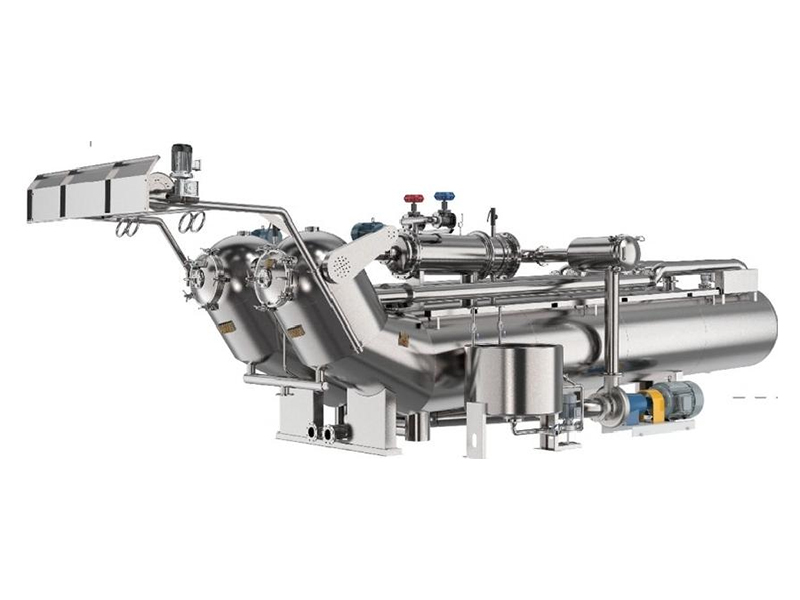
Soft flow technology remains the optimal Terry Cloth Dyeing Machine for standard cotton production. In a soft flow system, a high-volume, low-pressure stream of water transports the fabric through the machine. The water pushes the fabric rather than a mechanical winch pulling it. This creates near-zero tension inside the chamber. The gentle water flow preserves the pile perfectly and minimizes surface pilling. It ensures excellent dye penetration for bulky fabrics by opening the loops naturally as the fabric circulates. Operators overwhelmingly prefer soft flow systems for 100% cotton towels due to the superior hand-feel they produce. The high volume of liquor ensures that reactive dyes penetrate the dense ground weave without requiring aggressive mechanical action.
Processing polyester-blended terry requires entirely different thermal capabilities. Institutional towels, hotel bathmats, and heavy-duty commercial towels often use polyester ground yarns for added durability. Dyeing these synthetic fibers with disperse dyes demands a HTHP Fabric Dyeing Machine. These specialized vessels safely handle temperatures up to 135°C. They withstand high internal pressures while processing heavy terry batches. Robust structural integrity, reinforced locking rings, and high-capacity heat exchangers are non-negotiable for these high-temperature operations. You cannot dye polyester effectively in an atmospheric machine because disperse dyes require high thermal energy to migrate into the synthetic fiber matrix. Furthermore, HTHP machines must feature specialized oligomer extraction systems to prevent sticky polyester residues from depositing onto the towel surface.
Traditional jet dyeing uses high-pressure liquid forced through a narrow nozzle to move the fabric at high speeds. This aggressive venturi effect easily causes pile abrasion on delicate towels, leading to a harsh, scratchy surface. Modified overflow jets offer a safer alternative by combining soft flow characteristics with jet speed, but they still require careful nozzle calibration. Jigger machines, conversely, are entirely unsuitable for terry cloth. Jiggers apply high warp tension to pull the flat fabric back and forth through a dye trough. This immense longitudinal tension flattens the fabric instantly and destroys the loop structure completely. Never process pile fabrics on a jigger.
Some facilities attempt to use a Knitted Fabric Dyeing Machine for processing knitted terry. French terry and warp-knitted towels share many handling requirements with standard apparel knits. They both need low tension, specialized anti-crease devices, and gentle plaiting mechanisms to prevent edge curling. However, woven terry is significantly heavier when wet. A machine designed strictly for lightweight knits often lacks the heavy-duty pump capacity and reinforced winch traction required to transport heavy woven bath towels effectively without stalling. If you plan to process both knits and heavy woven towels, you must specify a hybrid machine with an oversized circulation pump.
Machine Architecture | Tension Level | Pile Preservation | Primary Application for Terry | Limitations |
|---|---|---|---|---|
Soft Flow (Atmospheric) | Very Low | Excellent | 100% Cotton Towels, Luxury Bath Linens | Cannot dye polyester blends effectively. |
HTHP Soft Flow | Low | Good to Excellent | Poly-Cotton Blends, Institutional Towels | Higher energy consumption during heating. |
Traditional Jet | Medium to High | Poor | Not Recommended | Causes severe pile abrasion and harsh hand-feel. |
Jigger | Very High | Very Poor | Strictly Avoid | Crushes loops permanently due to warp tension. |
Translating machine specifications into actual production metrics requires a deep understanding of textile wet processing. You must evaluate equipment based on its direct impact on your daily utility consumption, batch turnaround times, and right-first-time dyeing rates. A machine that looks good on paper might fail on the dyehouse floor if it cannot handle the specific demands of heavy pile fabrics.
Modern terry dyeing targets an ultra-low liquor ratio of 1:4 to 1:5. Lower ratios create massive cascading savings across the entire dye house. For example, dropping from a 1:10 ratio to a 1:5 ratio on a 1,000kg batch saves 5,000 liters of water per bath. You heat less water, generating enormous steam savings. You use fewer chemicals and salts to achieve the required bath concentration. Reduced water usage directly means less effluent discharge. Efficient hot and cold wash cycles are mandatory to remove unfixed dyes quickly. This efficiency achieves high wash and light fastness without excessive water waste in Towel Fabric Dyeing. Advanced machines utilize smart rinsing technologies that spray clean water directly onto the fabric rope while simultaneously draining the contaminated bath, cutting wash-off times by up to 30%.
Chamber width dictates the true loading capacity for bulky fabrics. Overloading a narrow chamber with heavy wet terry causes severe tangling and rope marks. Tangled fabric leads to uneven dyeing, poor circulation, and costly rework. Teflon-coated inner chambers allow smooth fabric gliding. This non-stick surface reduces friction against the chamber walls, protecting the loops from mechanical damage during the dwell phase. Variable frequency drive (VFD) winches provide precise speed control. Operators adjust winch speeds based on the specific fabric GSM to ensure the fabric completes a full circulation cycle every two to three minutes. This rapid turnover guarantees level dyeing and prevents the dye from exhausting too quickly onto a single section of the rope.
Programmable logic controllers (PLCs) manage automated heating gradients, holding times, and cooling phases. Strict water temperature control ensures even dye exhaustion and prevents color patchiness. For reactive dyes on cotton, heating at exactly 1.5°C per minute is standard practice. Automated multi-tank dosing systems handle dyes, salts, and alkalis using progressive or regressive dosing curves. Accurate, automated dosing prevents localized spotting caused by chemical dumping. It ensures batch-to-batch reproducibility and guarantees strict durability standards for commercial towel contracts. Manual dosing relies too heavily on operator skill and frequently leads to shade variations between batches.
Integrate lab-scale beaker dyeing machines into your workflow before initiating bulk production. Test swatches allow operators to match colors using a spectrophotometer accurately. Running test swatches diminishes chemical waste significantly and improves right-first-time (RFT) rates. It helps operators gauge exact color strength and verify dye recipes in the lab. You must confirm the recipe behaves correctly on the specific terry pile before committing to a 1,000kg batch in the main Terry Fabric Dyeing Machine. Pile fabrics reflect light differently than flat wovens, meaning a recipe that looks correct on a flat cotton swatch might appear significantly lighter or darker on a terry towel.
Evaluating long-term strategic fit means looking beyond the immediate dye cycle. The equipment must align with environmental regulations and offer flexibility for future product lines. Dyehouses face increasing pressure to reduce their environmental footprint while maintaining high production volumes.
Machine water consumption directly impacts your Effluent Treatment Plant (ETP) load. High water usage overwhelms ETP capacity and drives up wastewater treatment costs. Look for built-in heat recovery systems that capture thermal energy from discharged hot water to pre-heat incoming fresh water. Evaluate wash-water recycling capabilities. These features reduce Biological Oxygen Demand (BOD) and Chemical Oxygen Demand (COD) levels before the water even reaches the ETP. Efficient water management at the machine level helps facilities meet stringent environmental regulations and maintain ZDHC (Zero Discharge of Hazardous Chemicals) compliance. A machine with a 1:4 liquor ratio produces half the effluent volume of an older 1:8 machine, drastically reducing the chemical load on your biological treatment tanks.
Partner with manufacturers for Custom Textile Dyeing Solutions. Specify interchangeable nozzle sizes for your equipment. Different towel weights require entirely different liquor flow dynamics. A lightweight 300 GSM face towel flows differently than a dense 800 GSM luxury bath mat. Using a large nozzle on a lightweight towel causes the fabric to float uncontrollably, while using a small nozzle on a heavy bath mat chokes the flow and stalls the machine. Adjustable plaiters fold heavy fabrics neatly into the storage chamber. The plaiter speed must synchronize perfectly with the winch speed. Proper plaiting prevents the fabric from piling up at the rear of the machine, eliminating crush marks during the dwell time.
Procuring the machine is only the first step. Proper installation and operator training determine whether the equipment reaches its designed efficiency or becomes a maintenance burden. Many dyehouses fail to realize the full potential of their new machinery due to poor site preparation and inadequate staff training.
High-capacity terry dyeing machines have massive physical footprints and heavy operational weights. Conduct a thorough facility audit before procurement. Check the concrete slab thickness for adequate floor load-bearing capacity. A fully loaded 1,000kg machine holds tons of water and fabric, creating immense static and dynamic loads. Verify ceiling height for winch clearance and maintenance access. Map out utility pipe routing for steam headers, fresh water supply, and drainage trenches. Poor plant integration delays installation, causes pipe pressure drops, and disrupts existing production lines. Ensure your steam boiler can handle the peak load required during the rapid heating phase of the dye cycle.
Advanced low-liquor machines require precise operational parameters. Operator error easily leads to tangled batches and costly re-dyeing. Mandate comprehensive vendor training on PLC software and dosing curve programming. Establish strict filter cleaning protocols. Terry fabric produces exceptionally high amounts of lint during wet processing. If inline lint filters clog, pump pressure drops, and fabric circulation stops. Preventative maintenance of mechanical seals, heat exchanger tubes, and circulation pumps prevents unexpected downtime and maintains heating efficiency. Operators must learn to read the pump pressure gauges and recognize the early signs of cavitation or filter blockage before the fabric stalls.
Request pilot-scale test runs from shortlisted vendors using your specific un-dyed terry fabric to verify machine handling and pile preservation.
Demand verifiable data on steam, water, and electrical consumption per kilogram dyed to calculate accurate operational costs.
Review swatch test results for color fastness and inspect the pile integrity of the test swatches to ensure the loops remain uncrushed.
Audit your facility's floor load capacity, steam header pressure, and ETP limits before finalizing the equipment footprint.
A: A soft flow atmospheric dyeing machine is the best choice. It operates at very low tension, preserving the delicate cotton loops while ensuring deep dye penetration at temperatures up to 98°C. The water-driven transport mechanism prevents mechanical abrasion, keeping the towels plush and voluminous.
A: Terry cloth absorbs massive amounts of water due to its loop structure. A machine with a low liquor ratio minimizes the excess water needed in the bath. This drastically reduces the costs of heating steam, reactive dyes, chemical auxiliaries, and subsequent wastewater treatment.
A: Yes, an HTHP machine can operate at atmospheric temperatures for 100% cotton. However, purchasing an HTHP vessel is an over-investment unless you also plan to process polyester-blended terry or institutional towels that specifically require disperse dyeing at temperatures up to 135°C.
A: Prevent pile crushing by selecting a machine with synchronized winch and nozzle speeds. This synchronization ensures the heavy wet fabric floats through the transport tube in a relaxed state, without longitudinal pulling, stretching, or mechanical friction that flattens the loops.
A: Jet dyeing uses high-pressure liquid to force the fabric through a nozzle, which easily flattens or abrades delicate terry loops. Soft flow dyeing uses a high-volume, gentle stream of water to transport the fabric, making it the superior choice for pile preservation and softness.
A: Terry fabric sheds significant amounts of lint during wet processing. Machines must be equipped with high-capacity, easily accessible inline lint filters. If filters are inadequate or not cleaned regularly, lint blocks the circulation pump, drops nozzle pressure, and causes the fabric to tangle.


