
- All
- Product Name
- Product Keyword
- Product Model
- Product Summary
- Product Description
- Multi Field Search
English
Views: 0 Author: Site Editor Publish Time: 2026-06-29 Origin: Site


A wrong nozzle can ruin a good dyeing plan. It may cause color marks, fabric stress, or slow circulation. In a jet overflow dyeing machine, nozzle selection controls how fabric moves and how dye liquor reaches it. In this article, you will learn how to match nozzles, pressure, fabric type, and process goals.
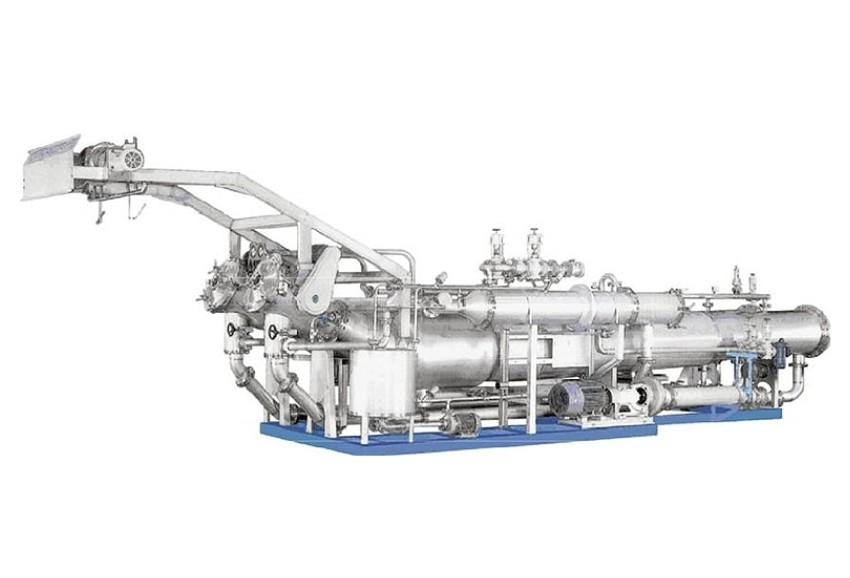
● Nozzle selection affects fabric movement, dye penetration, surface quality, cycle time, and dyeing uniformity.
● A jet nozzle gives stronger fabric drive, while an overflow nozzle offers gentler fabric handling.
● A modern dyeing machine should support stable liquor circulation, low-tension fabric movement, and adjustable flow control.
● Lightweight, elastic, and ultra-fine fabrics usually need softer flow and better tension control.
● Dense woven fabrics often need stronger jet force to improve liquor penetration.
● Low liquor ratio dyeing depends more on stable nozzle design because there is less liquid in the system.
● The best nozzle setup should be tested by fabric type, GSM, rope behavior, pressure range, and dyeing target.
● Factories handling many fabric categories can benefit from machines that allow nozzle adjustment or nozzle replacement.
In a jet overflow dyeing machine, the nozzle is not a small accessory. It is one of the main control points of the whole dyeing process. It decides how fast the fabric runs, how smoothly it moves, and how often fresh dye liquor reaches the fabric surface.
The nozzle creates the liquid flow that drives the fabric through the chamber. If the flow is stable, the fabric moves in a regular loop. If it is too weak, the fabric may slow down, fold, or gather. If it is too strong, the fabric may stretch, rub, or form surface defects.
Nozzle flow also affects color uniformity. A good nozzle helps dye liquor reach the fabric at a steady rate. This matters more when dyeing elastic, fine, or high-value textiles. These fabrics often show color difference faster than ordinary fabrics.
Fabric protection is another key point. Some materials need low tension and smooth circulation. Others need stronger impact to support deeper penetration. No single nozzle works best for every fabric, so selection must start from fabric behavior, not only from machine capacity.
Note: A nozzle should be judged by finished fabric quality, not only by pressure or running speed.
Overflow nozzles are used when gentle movement is more important than strong impact. They move fabric through a larger and softer liquor stream. This helps reduce stress on delicate, elastic, or crease-sensitive fabrics. For knitted fabrics and lightweight materials, overflow flow often supports better surface protection.
Jet nozzles create a stronger stream. They are useful when the fabric needs more drive force or better liquor penetration. Dense woven fabrics, heavier fabrics, or tightly structured materials may need this stronger flow. However, jet force must be controlled. Too much impact may damage the fabric hand feel or surface.
Some dyeing machine systems use dual-purpose overflow and jet nozzle structures. This gives the operator more flexibility. One fabric may need gentle overflow movement during the early wetting stage, while another may need stronger jet action for stable rope movement and deeper penetration.
Feed nozzles, running nozzles, and reverse nozzles may also play different roles. A feed nozzle helps introduce dye liquor into the flow path. A running nozzle supports fabric circulation. A reverse or anti-clogging nozzle helps reduce blockage risk when processing special fabrics or fabrics with loose fibers.
Adjustable nozzle pressure is especially useful. It allows operators to match flow intensity to fabric weight, elasticity, and dyeing stage. For example, a soft elastic fabric may need lower pressure, while a dense woven fabric may need a firmer jet stream.
Nozzle Type | Best For | Main Benefit | Main Risk |
Overflow nozzle | Delicate, knitted, elastic fabrics | Gentle movement | Weak drive on heavy fabrics |
Jet nozzle | Dense, heavier, stronger fabrics | Better fabric drive | Possible stress or abrasion |
Dual-use nozzle | Mixed production orders | Flexible process control | Requires correct setup |
Reverse nozzle | Special or loose-fiber fabrics | Reduces blockage risk | Needs maintenance checks |
Lightweight fabrics need soft movement. If the nozzle pressure is too high, the fabric may stretch, twist, or develop rope marks. A gentler overflow flow or low-pressure jet setting usually works better. The goal is to keep the fabric moving without pulling it too hard.
Elastic fabrics need special care. They can deform under high tension, especially during heating and cooling. A low-tension cloth path and adjustable nozzle pressure help protect stretch recovery. If the fabric returns poorly after dyeing, the nozzle force may be part of the problem.
Ultra-fine fiber fabrics need both penetration and protection. The fabric surface can be sensitive, but the inner structure still needs even dye contact. A stable, controlled flow is usually better than a high-impact stream. The operator should watch for uneven shades, wrinkles, and soft hand feel changes.
Dense woven fabrics are different. They may need stronger jet force because dye liquor must reach a tighter structure. If the nozzle is too gentle, the fabric may not circulate well. Poor circulation can lead to uneven dyeing, longer process time, and higher rework risk.
Here is a simple selection guide:
Fabric Type | Preferred Nozzle Direction | Pressure Approach | Key Check |
Lightweight knit | Overflow or gentle jet | Low to moderate | Crease and rope mark risk |
Elastic fabric | Low-tension flow | Controlled and stable | Stretch recovery |
Ultra-fine fiber | Smooth, even flow | Moderate and consistent | Shade levelness |
Dense woven fabric | Jet flow | Moderate to stronger | Penetration and circulation |
Mixed fabric orders | Dual-use system | Adjustable | Recipe repeatability |
Fabric weight is the first factor. GSM affects how much force is needed to move the fabric. Low-GSM fabric can be damaged by aggressive flow. High-GSM fabric may need stronger drive to keep circulation stable. This is why nozzle selection should never rely on fabric name alone.
Fabric structure is just as important. Knitted fabrics are more flexible and can stretch. Woven fabrics may resist flow and need deeper penetration. Textured fabrics may trap air or liquor in uneven ways. Each structure reacts differently inside the dyeing chamber.
Surface sensitivity also matters. Some fabrics lose value when they show fuzz, scratches, creases, or hand-feel change. For these materials, a gentle nozzle and low-tension movement are often safer. A slower but cleaner process may be better than a fast process that creates damage.
Liquor ratio should also guide nozzle selection. When a dyeing machine works at a low liquor ratio, it uses less water. This makes flow design more important. The nozzle must help liquor contact the fabric often and evenly.
Batch size and production rhythm also matter. Large batches need stable nozzle performance across the full load. Small batches may allow more careful trial adjustment. In both cases, operators should compare actual fabric movement, not only control-panel settings.
Note: A low liquor ratio saves resources only when circulation and nozzle flow remain stable.
Nozzle pressure that is too low creates several problems. The fabric may move slowly or lose rhythm. It may gather in one area of the chamber. Dye liquor may not contact the fabric often enough. This can cause uneven dyeing, longer cycles, and poor repeatability.
Pressure that is too high creates another set of problems. It may pull elastic fabrics too hard. It may increase friction on the surface. It may also cause creases, fuzzing, or rope marks. These defects can be costly because they often appear after the process is complete.
Pressure may also need to change during the process. Wetting may need a smooth start. Heating may need stable circulation. Holding time may need enough contact between fabric and liquor. Washing and cooling may need a different flow balance. One fixed pressure may not fit every stage.
Intelligent process control helps operators keep nozzle behavior repeatable. Temperature control, pressure monitoring, speed control, alarms, and process memory reduce human error. They also make it easier to repeat successful settings across similar orders.
A practical test should include visual fabric movement, shade uniformity, hand feel, and surface inspection. If a setting works only once, it is not yet a reliable production parameter. It should be tested again under similar loading and process conditions.
Tip: During trials, record pressure, speed, liquor ratio, fabric load, and final fabric defects in the same sheet.
Low liquor ratio dyeing is attractive because it can reduce water, chemicals, dye auxiliaries, steam, and wastewater. However, it also leaves less room for poor flow design. With less liquid in the system, the nozzle must do more work.
The nozzle must help dye liquor move through the fabric path at a high and stable frequency. If the liquor does not reach the full fabric load evenly, color difference may appear. This is especially important for polyester, cotton blends, and other fabrics where process control affects shade consistency.
A dyeing machine designed for low liquor ratio operation should support efficient cloth-liquid contact. It should also maintain smooth fabric circulation. If the nozzle creates unstable movement, the benefit of low water use may be lost through rework.
Low liquor ratio dyeing also depends on fabric load. Overloading the chamber may reduce the effect of the nozzle. Underloading may change fabric movement and reduce process stability. Operators should keep the load range close to tested production conditions.
One common mistake is choosing nozzle force only by fabric thickness. Thickness matters, but it is not enough. A thick fabric may still have a sensitive surface. A thin fabric may have a dense structure. The better question is how the fabric moves and how it reacts to flow.
Another mistake is using one nozzle setup for every order. This may seem simple, but it can create hidden quality loss. A setting that works for regular knitted fabric may not work for stretch fabric, microfiber fabric, or dense woven fabric. Mixed production needs more flexible control.
Some factories also ignore the cloth path. The nozzle does not work alone. It works together with the chamber, pump, cloth guide area, heat exchanger, and control system. If the path causes friction or fabric buildup, even a good nozzle may not solve the problem.
Maintenance is often overlooked. A worn or partly blocked nozzle changes the flow pattern. The operator may increase pressure to solve slow circulation, but the real issue may be blockage, scale, fiber buildup, or nozzle wear. Regular checks help avoid this mistake.
Here is a quick troubleshooting table:
Problem | Possible Nozzle-Related Cause | Practical Check |
Uneven shade | Weak or unstable liquor contact | Check pressure and fabric speed |
Creases | Excessive tension or poor cloth movement | Lower pressure and inspect path |
Surface fuzz | Too much jet impact | Reduce force or use gentler flow |
Fabric blocking | Fiber buildup or weak reverse flow | Clean nozzle and check alarms |
Slow cycle | Poor circulation | Review load, pressure, and pump flow |
A good nozzle choice helps a dyeing machine protect fabric, improve shade levelness, and reduce rework. MIXC offers high-temperature dyeing equipment focused on low liquor ratio, intelligent circulation, adjustable nozzle control, and wide fabric adaptability. For textile plants handling changing orders, these features help create stable quality and better production value.
A: It depends on fabric weight, structure, stretch, and surface sensitivity.
A: It controls fabric speed, dye contact, tension, and defect risk.
A: It gives gentler movement for delicate or elastic fabrics.
A: Often yes, because it gives stronger drive and penetration.
A: Yes. Better flexibility may reduce rework and operating waste.
A: Loose fibers, scale, poor cleaning, or worn nozzle parts.


