
- All
- Product Name
- Product Keyword
- Product Model
- Product Summary
- Product Description
- Multi Field Search
English
Views: 0 Author: Site Editor Publish Time: 2026-03-26 Origin: Site


In today’s textile market, choosing between Jet Overflow Dyeing Machines and Airflow Dyeing Machines is no longer a simple equipment decision. Mills now need better dyeing quality, lower water and energy use, stable output, and the flexibility to handle different fabrics with confidence. While airflow systems attract attention for low liquor ratios and faster process economics, Overflow Dyeing Machines still offer proven value in gentle fabric handling and broad production adaptability. In this article, you will learn how these two technologies compare and which one better matches your fabric types, production goals, and long-term operating strategy.
Jet Overflow Dyeing Machines move fabric in rope form through the machine by using circulating dye liquor. The liquor drives the fabric through the nozzle and transport tube, while the machine maintains a controlled bath for dye uptake, temperature rise, and circulation. This hydraulic movement gives mills a familiar and proven process base. It also supports gentle, wet handling for many woven and knitted articles, which helps explain why overflow and soft-flow systems remain widely used in batch dyeing lines today.
Airflow dyeing machines use a different transport idea. They atomize the dye liquor, then combine it with high-pressure air or forced air flow to move the fabric through the system. In this setup, water mainly serves as the carrier for chemicals rather than the main transport medium. That design sharply reduces the bath volume inside the machine. Technical sources describe airflow dyeing as the latest development from traditional jet systems, built to cut liquor ratio, shorten process time, and lower energy demand in batch rope dyeing.
This operating gap shapes almost every business result. A liquor-driven system gives mills stable wet processing and broad fabric adaptability. An air-driven system cuts the amount of water that must be heated, circulated, and discharged. That changes heating speed, rinsing demand, auxiliary use, and effluent load. It also affects how the fabric travels, how the shade builds, and how quickly one lot can move to the next. In simple terms, the transport principle is not just a technical detail. It is the root of the cost, speed, and sustainability profile buyers see on the factory floor.
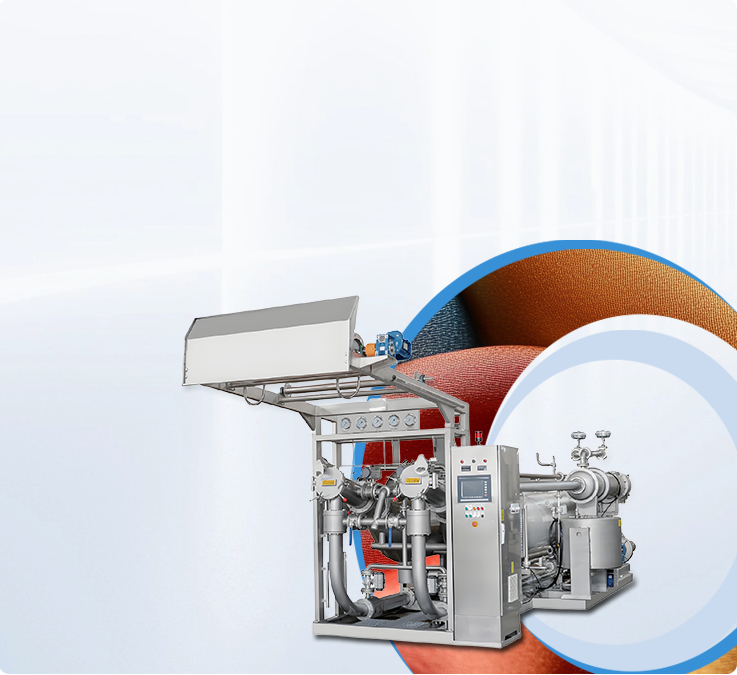
Many mills still prefer Overflow Dyeing Machines for delicate and appearance-sensitive articles because the fabric stays well supported in liquor during circulation. Industry sources on soft-flow and overflow systems describe them as suitable for delicate and sensitive fabrics in rope form, especially where a soft hand, low visible stress, and stable appearance matter. That makes them attractive for knits, viscose blends, stretch fabrics, and quality-driven apparel materials where smooth handling supports the final look and feel as much as the shade itself.
Airflow machines perform especially well when a mill wants low-liquor processing on lightweight to medium-weight fabrics. Research-based summaries note that recent airflow systems are designed for a wide range of fiber types and fabric constructions, and some commercial platforms are promoted for goods from about 50 to 800 g/m². Because the machine uses much less bath liquor, it often suits plants that value rapid heating and strong utility savings on repeatable product lines. In those cases, airflow offers an efficient path to high-value batch dyeing.
The best selection starts with the fabric, not the machine brand. If the fabric has low wet strength, strong stretch response, or a surface that marks easily, many mills lean toward gentler liquor-supported movement. If the fabric program is more standardized and utility reduction is a top priority, airflow becomes very attractive. Fabric weight matters too, because movement behavior changes as rope bulk changes. A buyer should match the machine to how the fabric behaves under heat, moisture, tension, and circulation, not just to the target shade card.
Dyeing performance is often judged by three things: penetration, levelness, and repeatability. Technical literature states that airflow dyeing machines can deliver lower liquor ratios and, in some comparisons, better levelness than overflow systems because atomized liquor and air promote efficient application across the moving rope. At the same time, overflow systems remain trusted for stable bulk processing because the full liquor environment supports continuous wet contact during dyeing. In practice, both can produce strong shades. The better result usually comes from matching the process route to the fabric construction and dye class.
Fabric protection is not only about damage prevention. It is also about preserving handle, bulk, and surface clarity. Overflow and soft-flow systems are widely described as gentle because the fabric remains enveloped in liquor and moves under moderated hydraulic action. Airflow machines, on the other hand, are engineered to reduce unnecessary water load while maintaining controlled transport. Modern airflow systems are also promoted as fabric-protective, especially in updated designs focused on stable movement and low-stress processing. For buyers, the key point is this: good appearance comes from the right flow behavior, not from one label alone.
Bulk production rewards machines that repeat the same conditions day after day. Overflow systems have earned trust because they are mature, widely understood, and relatively stable in operation. Airflow systems also pursue high repeatability, but they do it through tighter control of air pressure, liquor dosage, and automation features. Recent development work in airflow technology has focused heavily on better control logic, faster cycle management, and improved operation consistency. For a dyehouse, this means both technologies can support repeatable quality when the machine design and process recipes are aligned with the mill’s product mix.
Airflow machines are often chosen first for utility-saving projects because low liquor ratio is built into the concept. Research summaries describe them as using some of the lowest liquor ratios in rope dyeing, with advanced systems reported around 1:2 for manmade fibers and about 1:3 to 1:4 for natural fibers, depending on article structure. Less liquor means less water to heat, cool, rinse, and discharge. It also means lower demand for salt and auxiliaries in many process settings. That is why airflow is frequently promoted as the greener and leaner choice.
That said, Overflow Dyeing Machines still deliver strong value in real factories because efficiency is not only about the lowest liquor ratio. It is also about stable recipes, dependable throughput, broad article coverage, and fewer production disruptions. Industry sources describe overflow and soft-flow systems as versatile, reliable, and suitable for a wide range of fabrics. For mills running mixed orders, that balance matters. A machine that handles many articles well can protect margins across the week, even if another platform wins on pure water use under tightly defined conditions.
Long-term savings should be measured over the full utility chain. Lower liquor ratio reduces water intake, steam demand, cooling load, effluent volume, and often chemical use. Research-based material on modern airflow systems reports energy savings of about 40% versus hydraulic jet dyeing in some commercial examples, along with about 25% shorter overall process time; these figures should still be verified against real mill conditions. Meanwhile, overflow platforms may return better value when a plant needs one machine to cover many fabrics without constant process changes. The smart comparison is total cost per saleable kilogram, not machine theory alone.
Daily output is shaped by more than machine capacity. It depends on how fast the bath heats, how quickly the system cools, and how soon the next lot can begin. Because airflow machines operate at much lower liquor ratios, they often heat and cool faster than conventional hydraulic systems. Research sources tie this directly to shorter total process time. That can raise daily lot turnover in mills producing repeat articles. Overflow systems remain productive too, especially where process familiarity and robust scheduling reduce setup delays and operator intervention across varied orders.
Labor efficiency improves when the machine simplifies control and reduces recipe corrections. Recent airflow development has focused strongly on automation, air pressure control, liquor dosing control, and process parameter selection. These features can support tighter management and more stable runs. Overflow systems also benefit from PLC controls, mature operating logic, and widespread technician familiarity across the market. For many mills, this means the labor question is not just headcount. It is about how quickly staff can run the machine well, solve normal process issues, and maintain shade consistency under production pressure.
Purchase price matters, but operating return matters more. Airflow machines may show strong value when a plant runs high-volume, repeatable programs where water, energy, and cycle time savings accumulate quickly. Overflow systems can show equally strong business value when they support a broad product mix and reduce the need for multiple specialized lines. Buyers should compare capex against expected batch volume, utility price, product mix, and target payback period. A lower running cost is powerful, but only if the machine also fits the fabrics and order rhythm that actually generate revenue.
| Comparison Area | Jet Overflow Dyeing Machines | Airflow Dyeing Machines |
|---|---|---|
| Fabric transport | Liquor-driven circulation | Air-driven transport with atomized liquor |
| Resource profile | Balanced, proven efficiency | Ultra-low liquor ratio focus |
| Typical strength | Broad fabric versatility | Water and energy savings |
| Production fit | Mixed-order flexibility | Repetitive, resource-sensitive lines |
| Buyer priority match | Gentle all-round processing | Faster utility payback |
Selection becomes easier when you study the real order book. If the mill handles many fabric types, frequent shade changes, and varied rope behavior, Overflow Dyeing Machines often make sense because they are proven across broad product categories. If the mill runs more repeat programs on suitable articles, airflow can convert process discipline into lower running cost. The right machine supports the orders you already win well. It should not force the sales team to chase only the styles that fit the equipment. The factory strategy should drive the machine choice.
If the company has clear water and carbon goals, airflow deserves close attention. Lower liquor ratio reduces the volume of heated and discharged water, which supports both environmental metrics and operating cost control. Technical and industry sources consistently position airflow dyeing as a water-preserving and energy-saving approach within rope dyeing technology. However, sustainability should also include rework rate, recipe stability, and machine utilization. A machine that fits the fabric well can prevent waste in ways that a headline utility number does not show. Good sustainability is efficient production plus reliable first-pass quality.
Every dyehouse has a first priority. Some need broad flexibility. Some need speed. Some need the lowest possible utility bill. When flexibility comes first, overflow systems remain highly attractive because of their stable and versatile operating profile. When speed and utility reduction lead the investment case, airflow often becomes the preferred route. The best buyers rank their priorities before they compare suppliers. Once the order of importance is clear, the shortlist becomes much more logical, and the final machine choice becomes easier to defend to management.
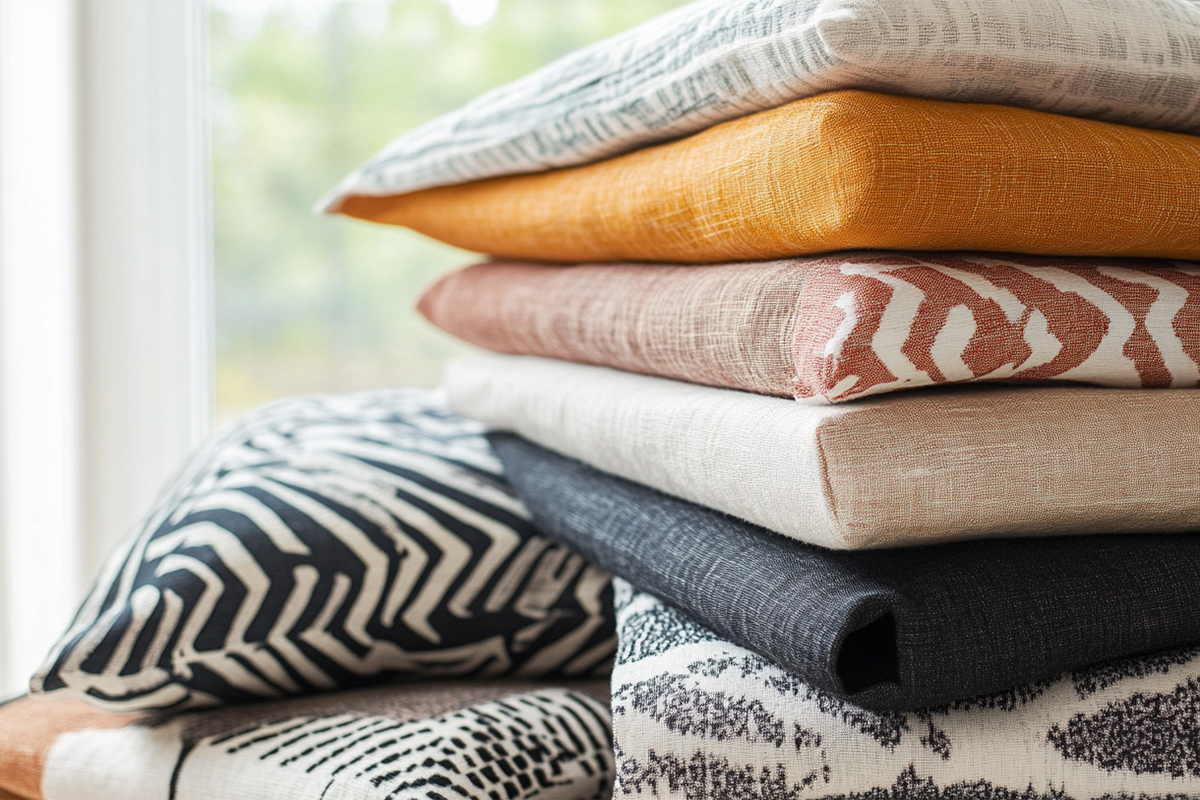
Many successful dyehouses keep Overflow Dyeing Machines because they act as dependable all-rounders. They help mills process a wider mix of knits, wovens, blends, and hand-sensitive articles under one familiar dyeing philosophy. That versatility has real commercial value. It allows planners to shift orders more freely, protect delivery dates, and keep utilization high even when the sales mix changes month to month. In mixed-production environments, a versatile overflow platform can be the machine that holds the whole wet-processing schedule together.
Airflow machines then add another layer of value. They give mills a strong tool for articles that fit low-liquor, high-efficiency processing. On those programs, the savings in water, energy, chemicals, and process time can be significant. Research and technical sources position airflow as a modern route for buyers pursuing cleaner production and faster economics. When used on the right fabrics, it can sharpen competitiveness without changing the entire plant layout. That is why many mills see airflow not as a replacement for everything, but as a strategic addition to the machine room.
For mills planning capacity by product mix rather than by single-machine theory, the clearest approach is to map each technology to measurable process windows, fabric classes, and operating targets. The matrix below keeps the comparison practical by focusing on parameters that are actually cited in technical literature and machine documents.
| Portfolio Dimension | Jet Overflow / Soft-Flow Dyeing Machines | Airflow Dyeing Machines | Why It Matters in Portfolio Planning |
|---|---|---|---|
| Primary transport principle | Fabric is transported by circulating dye liquor through nozzle and tube systems. | Fabric is transported by air flow, while dye liquor is atomized and applied in a much smaller bath. | This determines water load, heating demand, fabric movement style, and recipe structure. |
| Typical liquor ratio | Commonly cited operating range in standard processing: 1:3 to 1:8; recent soft-flow buying guides often cite 1:5 to 1:6 for newer generations. | Reported for advanced airflow platforms: about 1:2 for man-made fibers and 1:3 to 1:4 for natural fibers, depending on article and structure. | Liquor ratio directly affects m³ water use, kg steam demand, rinse load, and effluent volume. |
| Maximum working temperature | Soft-flow technical references cite operation up to 140 °C. | Airflow commercial documents also describe high-temperature dyeing platforms; airflow is discussed as a development of pressurized jet systems for rope dyeing. | High-temperature capability matters for polyester and blended articles that require pressurized dyeing conditions. |
| Fabric weight window | One cited soft-flow configuration lists 30–450 g/m² for woven and knitted fabrics. | Advanced airflow literature reports suitability for roughly 50–800 g/m² depending on fiber and structure. | Weight range helps mills decide which line should carry lightweight knits, medium constructions, or broader mixed programs. |
| Batch capacity reference | One cited soft-flow reference gives 50–2000 kg per batch; another teaching source lists 50–3000 kg depending on design. | Airflow documents in the retrieved sources focus more on liquor ratio and savings than batch-size standardization; capacity should therefore be checked model by model. | For portfolio planning, batch size affects lot matching, shade grouping, and machine loading discipline. |
| Fabric speed reference | Jet-dyeing references report fabric transport speeds from 250 to 1000 m/min; one soft-flow reference lists 250–300 m/min. | The retrieved airflow sources emphasize transport by air and lower bath volume, but do not provide a stable cross-brand speed range suitable for generalization. | Fabric speed influences dwell pattern, circulation rhythm, and practical productivity. |
| Best-fit application in a mixed machine room | Strong choice for versatile, appearance-sensitive, and mixed-order production, especially where one line must cover many woven and knitted articles. | Strong choice for resource-saving production on articles that fit low-liquor, high-efficiency processing. | A smarter portfolio assigns “coverage work” to overflow systems and “efficiency work” to airflow systems. |
| Reported utility advantage | Lower liquor ratios than older dyeing formats can already reduce water and chemical demand in modern jet/soft-flow systems. | One widely cited airflow source reports about 40% energy saving compared with hydraulic jet dyeing machines. | Use this row when building ROI models around kWh, kg steam, or total utility cost per dyed kilogram. |
| Reported process-time advantage | Modern jet/soft-flow systems benefit from reduced liquor ratio and shorter dye cycles versus older wet-processing setups. | One widely cited airflow reference reports about 25% shorter overall process time versus hydraulic jet dyeing machines. | Faster cycle time improves lot turnover and daily machine availability. |
| Water and effluent profile | Efficient, but still based on liquor-driven transport, so water remains a larger transport medium. | Lower liquor ratio means lower water use and lower wastewater discharge volume; this is stated repeatedly in airflow references and patents. | This row matters for mills under discharge, ZDHC, or cost-per-m³ pressure. |
| Typical portfolio role | Base-load flexibility machine for broad article coverage, frequent style changes, and balanced production scheduling. | Efficiency machine for standardized or suitable articles where lower resource cost can be fully captured. | Using both reduces the need to force every order through one process philosophy. |
| Selection note for buyers | Prioritize when the business needs broad coverage, stable rope-form handling, and one machine family that can support many order types. | Prioritize when the business case depends on low liquor ratio, faster utility payback, and tighter sustainability metrics. | The best portfolio is not the one with one winner; it is the one that allocates the right fabric to the right process window. |
Tip:When you compare quotations, ask each supplier to calculate water use (L/kg), steam or energy use (kWh/kg or kg steam/kg), and cycle time per lot on the same three fabrics. That makes portfolio planning far more reliable than comparing machine labels alone.
There is no single winner between jet Overflow Dyeing Machines and airflow dyeing machines. Airflow often suits mills seeking lower liquor ratios, lower utility use, and faster process returns. Jet overflow systems remain valuable for gentle handling, fabric flexibility, and stable batch dyeing. The best choice depends on your fabric mix and cost goals. Wuxi Mixc Textile Technology Co., Ltd. delivers reliable dyeing solutions, practical machine value, and responsive service that support better production results.
A: Overflow Dyeing Machines move fabric with circulating dye liquor for gentle, stable rope-form dyeing.
A: Overflow Dyeing Machines use liquor flow; airflow machines use air plus atomized liquor.
A: Airflow often lowers liquor ratio, water use, and energy cost.
A: Yes. Overflow Dyeing Machines suit soft, delicate, mixed fabric production well.
A: It depends on fabric mix, utility prices, and output goals.


