
- All
- Product Name
- Product Keyword
- Product Model
- Product Summary
- Product Description
- Multi Field Search
English
Views: 0 Author: Site Editor Publish Time: 2026-03-19 Origin: Site


Which fabrics perform best in dyeing, and which ones lose shape, softness, or surface quality under stress? Jet Overflow Dyeing Machines are designed for fabrics that need gentle movement, low tension, stable liquor flow, and even dye penetration during processing. They are especially suitable for knitted fabrics, stretch fabrics, regenerated cellulose materials, delicate natural fibers, many synthetics, and selected blends. By moving fabric and dye liquor together in a softer and more controlled way, they help mills protect fabric structure and improve dyeing consistency. In this article, you will learn which fabrics are most suitable for Overflow Dyeing Machines and how mills can match machine conditions to fabric behavior for better results.
Knitted fabrics are among the best candidates for jet Overflow Dyeing Machines because they are soft, elastic, and easy to deform under high tension. Fabrics such as single jersey, rib, terry, interlock, and double knits often need a relaxed dyeing path to keep their shape and feel. In this machine type, the fabric floats in the dye liquor and moves in rope form through a low-friction channel. That helps reduce elongation, curling, pilling, and surface stress. It also helps mills keep the original bulk, softness, and elastic recovery of the fabric after dyeing. This is one reason knitted fabrics are often treated as a core application for overflow processing.
Elastic fabrics and spandex blends also perform very well in jet Overflow Dyeing Machines. These fabrics are highly sensitive to tension, temperature swings, and rough movement during dyeing. If the handling is too aggressive, the fabric may lose stretch recovery or show dimensional instability after finishing. Overflow jet processing reduces that risk by combining gentle liquor circulation and precise machine control. It helps protect the stretch component while still allowing good dye penetration and stable circulation. This makes the machine especially useful for stretch knits, spandex-containing wovens, swimwear bases, and activewear fabrics where resilience, comfort, and shape retention are important commercial targets.
Regenerated cellulose fabrics such as viscose, modal, and tencel are also strong matches for jet Overflow Dyeing Machines. These materials often have lower wet strength and can deform or wrinkle easily during dyeing. A softer dyeing path helps preserve flatness, drape, and surface appearance. The jet-flow system also reduces mechanical stress on delicate fibers, which is especially useful for viscose fabrics that can snag or stretch under rougher processing. In practice, mills choose overflow jet systems for these fabrics because they combine gentle handling with precise temperature and pressure control. That balance helps protect fabric integrity while supporting more even dye development through the full cycle.
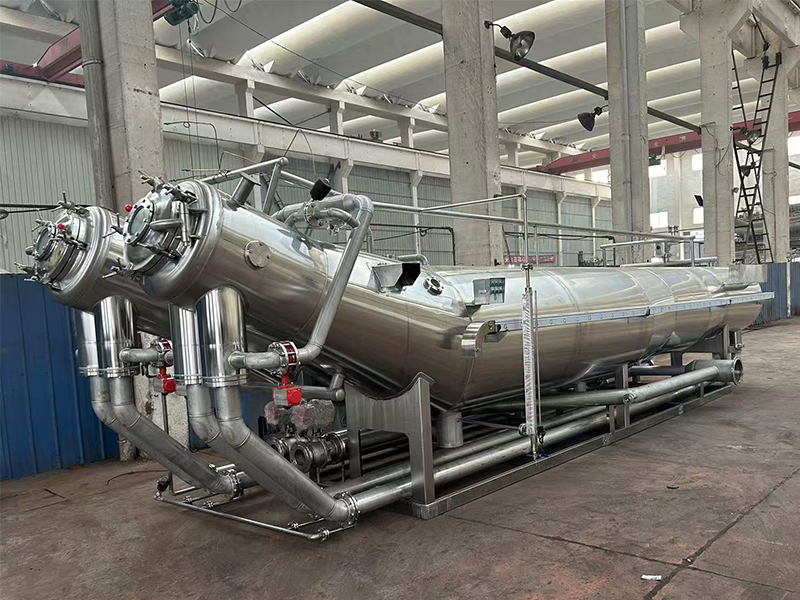
Jet Overflow Dyeing Machines are ideal for loose, fluffy, or open-structure fabrics because the transport principle is fluid-led rather than force-led. The fabric moves in a relaxed floating state in the dye liquor, which greatly reduces mechanical friction and stretching. That matters for fabrics whose structure can collapse or distort under pressure. Soft knits, brushed surfaces, and bulky constructions respond well to this kind of movement because it keeps the fabric supported during the dyeing cycle. Instead of dragging the fabric through the machine, the system lets the liquor carry it in a smoother path. That helps protect the structure while improving wetting and circulation at the same time.
Many sensitive fibers perform better when the dyeing path reduces direct abrasion and excessive pulling. Overflow systems do this by combining motorized reel action, liquor flow, and a large transport tube, which together keep tensile stress and friction relatively low. Technical descriptions of overflow systems note that the fabric is subjected only to slight tensile stress and small friction forces during transport. This supports the processing of delicate fabrics and fibers that can peel, fuzz, or elongate under harsher conditions. That is why mills often prefer this route for elastic, fine, or premium materials. The machine protects the fiber while still keeping dye liquor exchange active and uniform.
Stable circulation does more than improve dyeing uniformity. It also helps preserve the final hand feel, surface cleanliness, and dimensional stability of the fabric. When the fabric moves smoothly in the liquor, it is less likely to show uneven tension marks, distortion, or harsh handling traces after dyeing. This is especially important for fabrics sold on softness, bounce, drape, or stretch recovery. Overflow processing supports these qualities because the machine relies on coordinated reel speed and liquid flow rather than on aggressive traction alone. In daily production, that often translates into cleaner-looking fabric, better reproducibility, and a more premium result for the customer.
| Fabric Behavior | Why It Needs Low Tension | How Jet Overflow Processing Helps | Likely Benefit |
|---|---|---|---|
| Loose knitted structure | Easy to stretch or distort | Floating rope transport reduces pulling | Better shape retention |
| Bulky or fluffy surface | Sensitive to friction | Gentle liquor flow lowers abrasion | Cleaner fabric surface |
| Spandex content | Sensitive to stress | Low mechanical tension protects recovery | Better elasticity |
| Wet-weak cellulose | Easy to wrinkle or deform | Softer movement supports flatness | Improved appearance |
| Fine delicate fibers | Surface damage risk | Reduced friction and smoother circulation | Better hand feel |
Tip: When dyeing soft knits, confirm the machine runs in a truly low-tension mode before scaling up bulk orders.
Cotton and cotton-rich fabrics work well in jet Overflow Dyeing Machines, especially when mills need good levelness and gentle fabric handling. Cotton is versatile, but some constructions still benefit from low-tension movement, especially medium-thick knits, cotton blends, and loosely structured woven fabrics. The overflow process keeps the fabric moving evenly in rope form while the dye liquor flows continuously around it. This helps achieve better wetting, stable dye distribution, and more uniform results through the batch. It is also a practical choice for mills that need reliable repeatability on common commercial cotton articles without giving up softness or production flexibility.
Silk, wool, and other delicate natural fibers also benefit from the softer handling profile of jet overflow systems. These fibers are valued for feel, appearance, and premium positioning, so mills need a dyeing route that protects surface quality and fabric character. References in the source material note that delicate wool or blend fabrics can be processed in fully filled jet systems using moderate liquor ratios and short process times. Overflow systems are also described as suitable for delicate fabrics when wrinkle sensitivity is not a major concern. For mills, that means these machines can support refined natural-fiber processing where low stress and good liquor exchange are both important.
Viscose, modal, and tencel blends deserve special attention because they often behave differently when wet. Their lower wet strength can make them vulnerable to wrinkling, stretching, and surface stress if the process is not gentle enough. Source material specifically points to overflow jet systems as a strong option for viscose because the jet-flow movement reduces mechanical stress on the fabric. It also notes that these machines provide precise control over dyeing conditions, which is valuable because such fibers often respond strongly to temperature. For mills handling regenerated cellulose blends, this makes jet Overflow Dyeing Machines a reliable route for better flatness, softer touch, and more stable dyeing results.
Polyester and polyamide fabrics are very suitable for high-temperature jet Overflow Dyeing Machines. Source material notes that machine builders supply high-temperature overflow systems running from about 130°C to 140°C, particularly for synthetic fibers and synthetic blends. These conditions support the dyeing needs of polyester-type materials, which often require stronger thermal energy and controlled pressure for good dye uptake. In production, this gives mills a way to process synthetic articles while still benefiting from stable circulation and broad machine adaptability. Polyester, polyamide, filament-based fabrics, and many common gsm articles are all listed as applicable materials in the supplied content.
Nylon, acrylic, and microfiber fabrics also fit well into the jet overflow application range. These materials often benefit from controlled flow, strong liquor exchange, and consistent temperature management through the dyeing cycle. The supplied material identifies nylon, acrylic, and microfiber among the synthetic categories suited to these machines, especially where uniform dye uptake and gentle processing are both needed. Microfiber is especially sensitive to surface quality and even penetration, so the machine’s softer transport style can be useful. For mills serving technical apparel, premium synthetics, or high-color-demand products, jet overflow systems support reliable processing while preserving fabric appearance and performance.
Blended fabrics are one of the strongest reasons many mills invest in jet Overflow Dyeing Machines. A blend may combine fibers that respond differently to heat, tension, moisture, and dye chemistry, so a flexible machine platform becomes very valuable. Source material highlights polyester-cotton, synthetic-cellulosic blends, and fiber blends in general as suitable applications. It also describes the machine as a “go-to” option for mixed-fabric and high-value portfolios because pressure and flow rates can be adjusted to suit the fiber mix. That flexibility helps mills handle diverse orders more confidently, especially when product categories change often across the production schedule.
| Fiber Group | Suitable Machine Condition | Why It Works Well | Example Fabric Types |
|---|---|---|---|
| Polyester | High-temperature, pressurized | Supports strong dye uptake and stable penetration | Polyester knits, filament fabrics |
| Polyamide / Nylon | Controlled flow and stable heat | Helps uniform dyeing and fabric protection | Nylon sportswear bases |
| Acrylic | Balanced circulation | Supports even uptake and surface control | Acrylic blends |
| Cotton | Mild overflow movement | Good levelness and softer handling | Cotton knits, cotton-rich blends |
| Viscose / Modal / Tencel | Gentle, low-tension circulation | Protects wet-sensitive fibers | Regenerated cellulose knits |
| Spandex blends | Low stress and precise control | Preserves stretch recovery | Activewear, swimwear |
| Wool / Silk | Soft handling and stable flow | Helps protect premium feel | Delicate natural-fiber articles |
Tip: For mixed-fiber programs, group fabrics by behavior, not only by fiber name, before setting machine conditions.
Lightweight fabrics often need especially smooth transport because they can fold, crease, or distort more easily during wet processing. Jet Overflow Dyeing Machines help here because the fabric moves in a liquor-supported path rather than under constant mechanical pull. This is useful for light knits, printed bases, fine synthetics, and fabrics designed for drape or softness. Source material also notes that technical and lightweight woven fabrics can be processed using specialized high-speed or low-liquor-ratio settings. That combination of gentle transport and adjustable machine response makes the overflow jet route a strong choice for lightweight articles where appearance and shape must remain clean after dyeing.
Medium-weight fabrics often need a balance of stronger dye penetration and steady movement. They may not be as fragile as very light fabrics, but they still benefit from controlled transport and good liquor exchange. Source material points to medium-thick knitted fabrics and loosely structured woven fabrics as good matches for overflow dyeing when low tension and high-level dyeing are required. In practice, these fabrics often sit in the sweet spot for jet overflow processing because the machine can deliver both stable circulation and productive dyeing performance. Mills processing broad apparel ranges often rely on this balance to maintain shade quality across repeated orders.
Dense or specialty fabrics can also work well when the machine offers enough adjustment in nozzle diameter, nozzle gap, flow rate, and liquor ratio. The uploaded content states that nozzle diameter can be changed based on different fabric types and that the nozzle gap is adjustable. This matters because fabric weight, rope size, and structure can change how the material moves through the machine. Source material also mentions that overflow systems can handle high-density fabrics and ensure uniform dye penetration across dense fibers. For mills running specialty programs, this adjustability expands the usable fabric range and makes the machine more valuable across multiple production categories.
Apparel fabrics for sportswear, casualwear, and stretch garments are among the clearest beneficiaries of jet Overflow Dyeing Machines. These products often use knits, spandex blends, or soft synthetic mixes that must keep stretch, softness, and appearance after dyeing. Source material specifically mentions sportswear and swimsuit fabrics as suitable applications. That makes sense because these end uses rely on comfort, rebound, and clean surface quality. A low-tension dyeing path helps preserve those properties. For mills serving garment brands, the machine supports both visual quality and physical performance, which is important when the fabric will later be cut, sewn, and worn close to the body.
Premium and delicate textiles also gain clear value from this dyeing route. Fabrics sold on luxury feel, refined surface, or premium drape need stable and careful movement during wet processing. Overflow systems are often preferred here because they reduce friction and excessive stress while keeping dye-liquor contact active and even. The source material connects these machines to delicate, surface-designed, and easily damaged materials, and it highlights their ability to achieve excellent leveling effect, bright color, and full feel. That combination matters for high-end textile portfolios where appearance consistency can influence both brand trust and selling price.
Technical textiles and mixed-fabric portfolios are another area where jet overflow systems show strong value. Many dyehouses today handle small or medium batches across many fabric types, and they need one machine platform that can adapt quickly. Source material states that overflow dyeing machines show advantages for medium and small batch orders with high requirements for uniformity and reproducibility. It also describes them as a practical fit for mixed-fabric portfolios and specialty articles. This makes them useful not only for standard apparel but also for flexible production programs where mills need confidence across changing material types, varying order sizes, and higher demands for repeatability.
Tip: If your dyehouse handles many short runs, prioritize machine settings that can switch cleanly between knit, stretch, and synthetic programs.
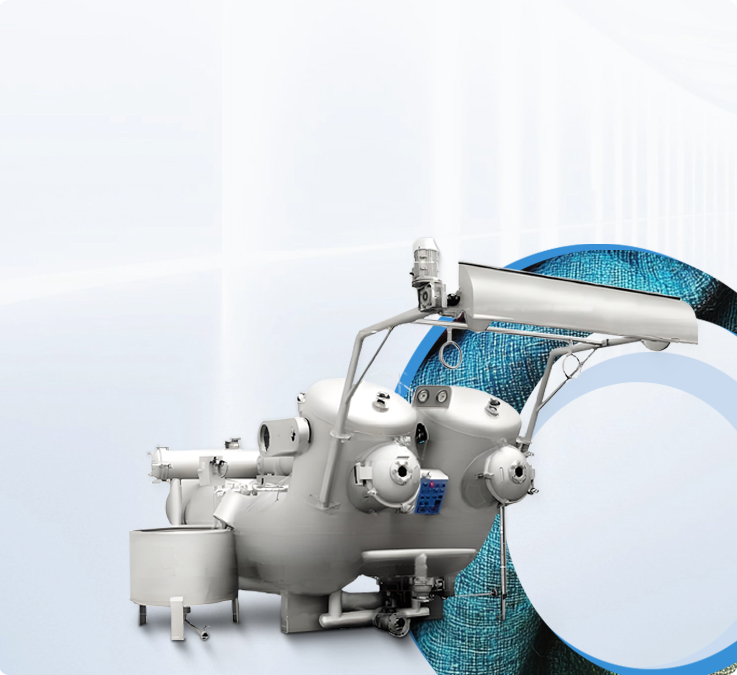
Mills should first match machine temperature and pressure to the fiber group they process. Source material notes that builders offer high-temperature overflow systems operating around 130°C to 140°C for synthetic fibers and synthetic blends. It also notes that atmospheric-pressure machines are used for natural fibers, usually operating around 98°C to 108°C with slight pressurization to avoid pump cavitation. This matters because fabric suitability depends not only on softness of handling but also on correct thermal conditions. Polyester will not behave like cotton, and viscose will not behave like nylon. Choosing the right thermal platform helps the machine deliver the value promised by its low-tension design.
The next step is to tune nozzle size, flow behavior, and liquor ratio to the actual fabric category. The uploaded content states that nozzle diameter can be changed based on different fabrics and that the nozzle gap is adjustable. It also reports liquor ratios as low as 1:5 and, in another machine example, 1:4–1:6 after optimized structure. Older or different machine designs may run at much higher ratios, such as 1:7–1:12 or even 1:15–1:25 in some fully filled jet systems. That means mills should verify the true operating window of their machine and then match it to weight, rope form, and sensitivity of the fabric.
Finally, mills should choose jet Overflow Dyeing Machines according to the product mix they run every week and the quality level they need to guarantee. If the line mainly handles knits, stretch fabrics, regenerated cellulose, or high-value blends, overflow jet processing can create strong returns through better handling and more stable dyeing. If the line also runs synthetics and mixed-fiber orders, machines with adjustable nozzles, automatic controls, and stable liquor-ratio management become even more useful. The source material notes improved reproducibility, easier operation, and 10–20% higher production efficiency in one high-pressure model example, though actual results should always be verified in real production.
| Selection Factor | What Mills Should Check | Why It Matters |
|---|---|---|
| Fiber type | Natural, synthetic, blend, regenerated cellulose | Decides temperature and pressure route |
| Fabric structure | Knit, woven, loose, dense, technical | Affects transport behavior |
| Elasticity | Spandex level, recovery need | Influences tension sensitivity |
| Fabric weight | Light, medium, dense | Guides nozzle and flow settings |
| Liquor ratio | Actual operating ratio under load | Affects cost, wetting, and efficiency |
| Nozzle adjustability | Diameter and gap control | Improves adaptability across fabrics |
| Batch pattern | Short run or bulk run | Shapes automation and setup needs |
| Quality target | Levelness, hand feel, reproducibility | Defines machine value in practice |
Jet overflow dyeing machines are most suitable for fabrics that need gentle movement, low-tension handling, and stable dye penetration throughout the dyeing cycle. They are especially effective for knitted fabrics, stretch fabrics, viscose, modal, tencel, delicate natural fibers, many synthetic fabrics, and selected blends that require careful treatment and even color development. Their value comes not only from strong dyeing performance, but also from their ability to protect fabric structure, preserve softness, support elasticity, and improve levelness across different fabric categories. For modern dyehouses, this means greater flexibility, better reproducibility, and more confident processing of diverse product ranges. Wuxi Mixc Textile Technology Co., Ltd. delivers this value through practical jet overflow dyeing solutions, fabric-friendly machine design, reliable operating performance, and professional technical service that helps customers improve both product quality and production efficiency.
A: Knits, stretch fabrics, viscose, modal, tencel, and selected blends.
A: They give low-tension movement and help protect softness and shape.
A: Yes. They work well for polyester, nylon, acrylic, and microfiber.
A: Yes. They support gentle handling and more even dye penetration.
A: They adjust temperature, nozzle size, flow, and liquor ratio.
A: Capacity, controls, temperature range, and nozzle adjustability.


