
- All
- Product Name
- Product Keyword
- Product Model
- Product Summary
- Product Description
- Multi Field Search
English
Views: 0 Author: Site Editor Publish Time: 2026-01-14 Origin: Site


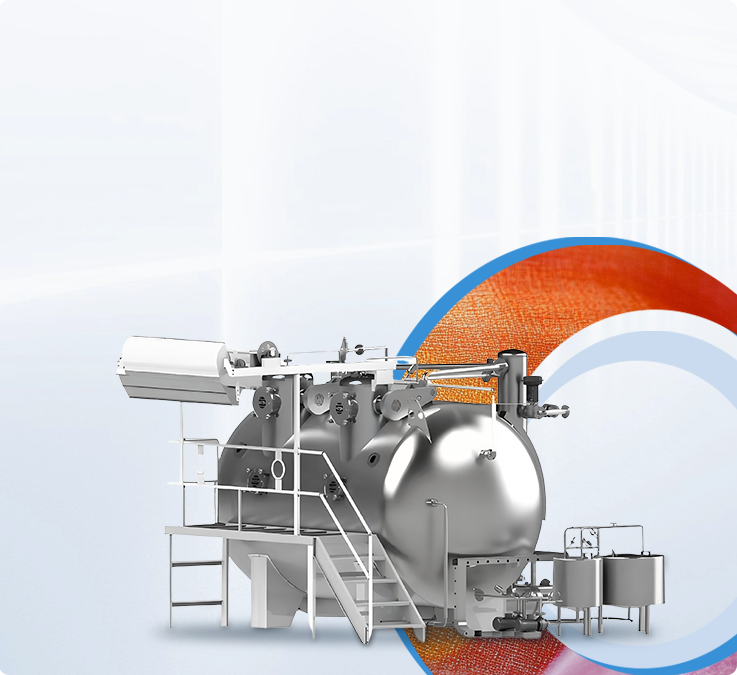
Synthetic fibers revolutionized the textile industry, offering durability, elasticity, and cost-effectiveness that natural fibers often couldn’t match. However, these “miracle” fibers brought a significant challenge to the manufacturing floor: they are incredibly difficult to dye. Unlike cotton, which readily soaks up color, polyester acts more like a sealed plastic tube. It resists moisture and chemicals, making standard dyeing methods ineffective.
This is where High Temperature High Pressure (HTHP) dyeing becomes indispensable. It is not just a method; it is the industry standard for processing the vast majority of synthetic textiles used globally today. Whether you are a dyeing engineer troubleshooting a streakiness issue, a fabric buyer looking for superior colorfastness, or a student of textile chemistry, understanding the mechanics of HTHP dyeing is non-negotiable.
This comprehensive guide breaks down the HTHP dyeing process from the molecular level to industrial application. We will explore exactly how pressure facilitates color fixation, the critical machinery components involved, and the precise steps required to achieve uniform, vibrant shades on the most stubborn fibers.
High Temperature High Pressure (HTHP) dyeing is a specialized method used primarily for coloring synthetic fibers and their blends. As the name suggests, the process occurs in an enclosed vessel capable of withstanding extreme conditions—specifically temperatures ranging from 120°C to 140°C and pressures between 2 to 4 bar.
In conventional atmospheric dyeing, the process is limited by the boiling point of water (100°C). However, HTHP machines operate as pressurized systems, much like an industrial pressure cooker. This pressure is not applied to squeeze the dye into the fabric; rather, it is a physical necessity to keep the dye liquor in a liquid state. Without this pressure, water at 130°C would turn into steam, causing pumps to fail and preventing the dye from circulating.
You might hear this process referred to by several names on the production floor, including the “HTHP dyeing method,” “pressurized dyeing,” or simply “HT dyeing.” regardless of the terminology, the core concept remains the same: using thermal energy beyond the boiling point to force dye molecules into the tight polymer structure of synthetic fibers.
To understand the necessity of HTHP dyeing, one must look at the microscopic structure of synthetic fibers like polyester (PET). These fibers are hydrophobic, meaning they repel water. Furthermore, their molecular structure is crystalline and tightly packed, leaving very little room for large dye molecules to enter.
If you attempt to dye polyester at a standard 100°C, the dye molecules will merely sit on the surface. The result would be a pale, uneven color that washes off immediately. This is known as “ring dyeing,” where only the outer layer is colored while the core remains white.
High temperature is the key that unlocks the fiber. When polyester is heated to its glass transition temperature and beyond (typically around 130°C), the polymer chains begin to vibrate vigorously. This thermal energy creates momentary gaps or “voids” within the fiber structure. Simultaneously, the heat increases the kinetic energy of the dye molecules. The combination of these two factors allows the dye to diffuse deeply into the fiber. Once the bath cools down, the fiber structure snaps back into place, locking the dye inside permanently.
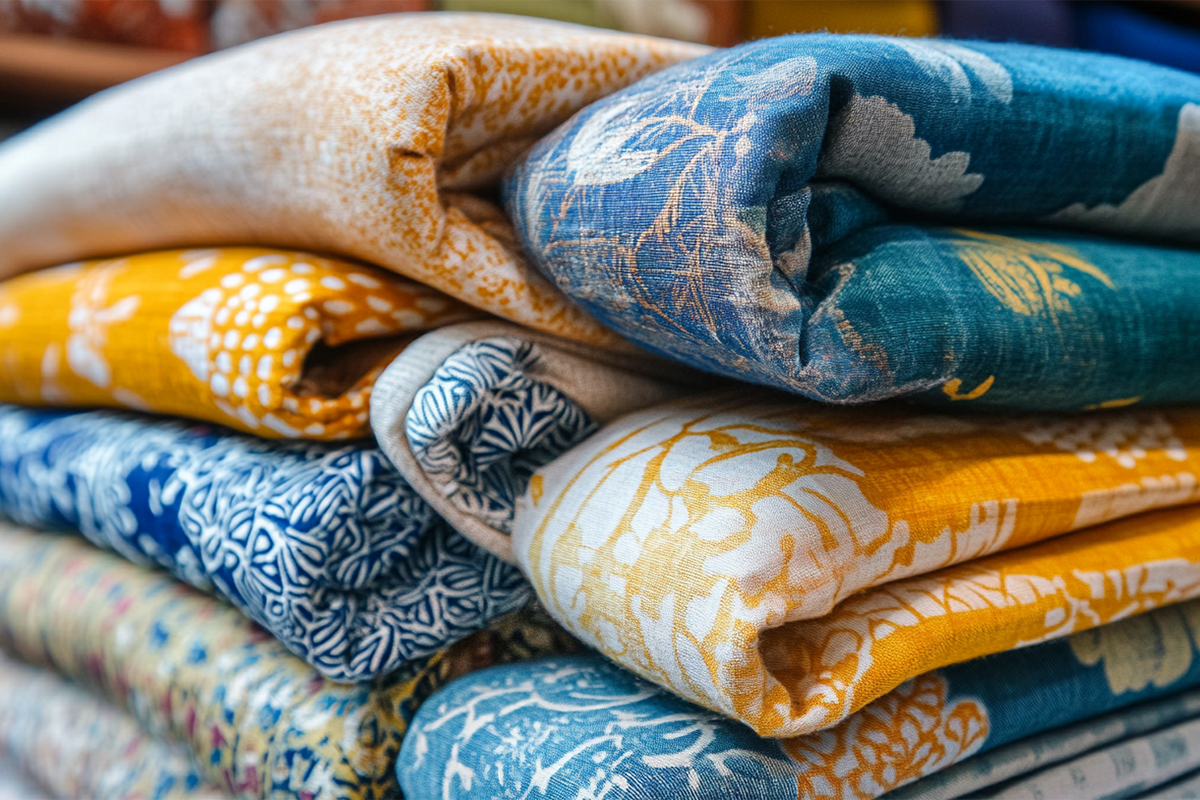
While HTHP dyeing is a powerful tool, it is not suitable for every material. It is specifically engineered for fibers that require high energy to accept color.
Polyester is the primary candidate for HTHP dyeing. It accounts for the vast majority of HTHP machine usage globally. Its tight, hydrophobic structure requires temperatures of 130°C for effective disperse dyeing.
While nylon can be dyed at lower temperatures with acid dyes, HTHP methods are often used to ensure levelness and better coverage, especially for high-performance activewear fabrics.
Acrylics are often dyed using HTHP machinery to ensure bright, uniform shades, although the temperature requirements are generally lower than polyester.
Microfibers have an immense surface area compared to standard fibers. This makes them difficult to dye evenly without the rapid diffusion rates provided by high-temperature processing.
The method is crucial for blends, such as Polyester/Cotton (P/C). In a typical two-bath process, the polyester component is dyed first under HTHP conditions, and the cotton is dyed second under atmospheric conditions.
Pure natural fibers like wool or silk are generally not dyed at 130°C because such high heat can degrade the protein structure, leading to strength loss and harsh hand feel.
The chemistry of the dye must match the chemistry of the machine. In HTHP dyeing, disperse dyes are the dominant class.
Disperse dyes are unique because they are non-ionic chemicals with very low water solubility. They do not dissolve in water; instead, they are ground into microscopic particles and held in a suspension (dispersion) using dispersing agents.
At high temperatures, these dye particles undergo a phase change. They become monomolecular, essentially dissolving into the fiber rather than bonding chemically to the surface. This is why HTHP dyeing is sometimes called a “solid solution” mechanism—the solid dye dissolves into the solid fiber.
This method allows for “carrier-free” dyeing. In the past, toxic chemicals called carriers were used to swell fibers at lower temperatures. HTHP dyeing eliminates the need for these hazardous substances, relying on heat alone to swell the fiber, which results in a cleaner, more environmentally friendly process.
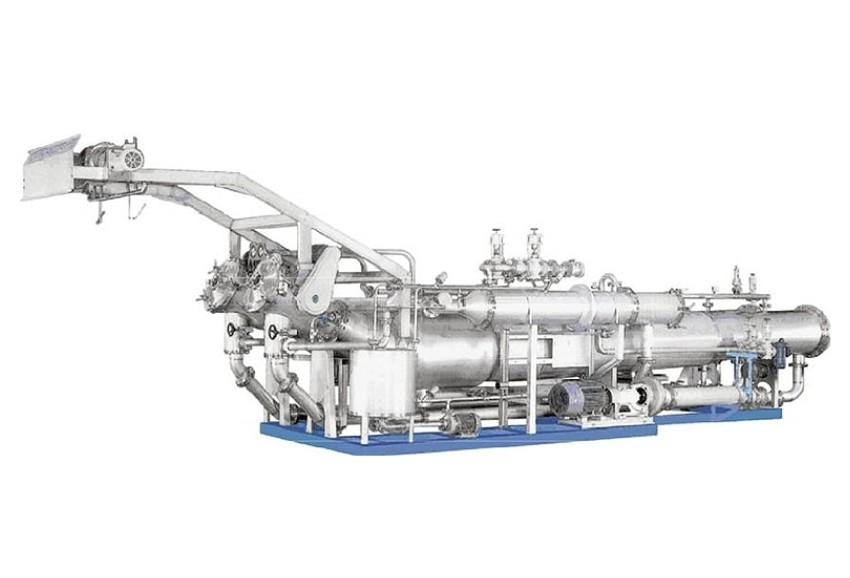
JF-500A High Temperature And High Pressure Dyeing Machine
An HTHP dyeing machine is a sophisticated piece of engineering designed to handle hazardous pressures safely while ensuring delicate fabric handling.
Pressure Vessel: The main body of the machine is constructed from high-grade stainless steel to resist corrosion and withstand pressures up to 4 bar.
Material Carrier: Depending on the machine type, this could be a perforated beam for fabrics, a spindle carrier for yarn packages, or a soft-flow jet nozzle system.
High-Efficiency Circulation Pump: This is the heart of the machine. It forces the dye liquor through the material. In yarn dyeing, it pushes liquid through the package; in jet dyeing, it propels the fabric rope.
Heat Exchanger: This system rapidly heats the liquor using steam and cools it down using water, allowing for precise temperature profiling.
Directional (Reversing) Valves: In package dyeing, flow direction is critical. These valves automatically switch the flow from “inside-out” to “outside-in” to ensure the yarn is dyed evenly from the core to the surface.
Dosing System: A separate tank where dyes and chemicals are pre-mixed and injected into the main vessel under controlled conditions.
PLC Control Panel: Modern machines are fully automated. A Programmable Logic Controller (PLC) manages temperature ramps, hold times, and pump speeds to remove human error.
Safety Devices: Interlocks prevent the door from opening while the machine is pressurized, and pressure relief valves prevent catastrophic over-pressure events.
The fundamental principle of HTHP dyeing relies on the relationship between temperature, pressure, and solubility. As the dye bath heats up, the solubility of the disperse dye increases. The pump circulates this dye-rich liquor continuously through the textile material.
The system is closed. As the temperature rises above 100°C, the pressure naturally increases (or is padded with compressed air) to suppress boiling. This is critical because boiling creates bubbles (cavitation) in the pump and air pockets in the fabric, both of which cause uneven dyeing.
For uniformity, the principle of forced circulation is used. The liquor must pass through the textile barrier multiple times per minute. In yarn dyeing, the flow reversal is essential. If the flow were only in one direction, the inside of the yarn cone would be a different shade than the outside. By alternating the flow, engineers achieve a uniform shade throughout the package.
The primary difference lies in the fixation mechanism. Conventional dyeing often relies on chemical bonds (like salt linkages in acid dyes) formed at moderate temperatures. HTHP relies on physical diffusion into the polymer matrix. This results in significantly deeper penetration. While conventional dyeing might stain the surface, HTHP dyeing colors the fiber through to its core, providing superior resistance to fading from washing or sunlight.
A successful dyeing run follows a strict recipe and timeline. Here is the typical sequence:
The material (yarn or fabric) is loaded onto the carrier. For yarn, the winding density of the packages must be uniform. If one package is wound tighter than another, the dye will flow through them at different rates, causing shade variation.
The vessel is filled with water and auxiliary chemicals (leveling agents, pH buffers). The pump begins circulation to ensure the chemicals are evenly distributed before the dye is added.
The temperature is raised gradually. This “ramping” is crucial. If the heat rises too fast, the dye will rush into the fiber unevenly (thermal shock). A typical ramp rate might be 1°C to 2°C per minute.
Once the machine reaches the target temperature (e.g., 130°C), it holds there for 30 to 60 minutes. This is the migration phase where the dye moves from the water into the fiber. The operator (or PLC) monitors the flow rate and pH to ensure stability.
After the hold time, the bath is cooled down. This must be done slowly to preventing “creasing” or thermal shock to the polymer. As the fiber cools, it locks the dye inside.
The dyed material is rinsed to remove surface dye. For polyester, a specific step called “reduction clearing” is performed using caustic soda and sodium hydrosulfite. This strips away any loose dye particles on the surface that could rub off later, ensuring excellent fastness.
The material is removed, hydro-extracted (spun dry), and sent for final drying and quality control checks.
Precision is everything in HTHP dyeing. A deviation in any of these parameters can lead to a rejected batch:
Temperature: 120°C – 135°C (130°C is standard for Polyester).
Pressure: 2 – 4 bar.
Liquor Ratio: 1:4 to 1:10 (depending on machine type; lower is more eco-friendly).
pH: 4.5 – 5.5 (Disperse dyes are generally stable in acidic conditions).
Dyeing Time: 30 – 90 minutes at top temperature.
Flow Rate: 20 – 40 liters/kg/minute.
Why has this method become the industry standard?
Deep Penetration: It is the only way to fully color hydrophobic fibers.
Levelness: High circulation rates and controlled migration result in extremely uniform shades, even on large batches.
Fastness: Because the dye is locked inside the fiber structure, HTHP-dyed fabrics exhibit excellent wash, light, and sublimation fastness.
Better Hand Feel: Since no harsh chemical carriers are needed to swell the fiber, the fabric retains its natural soft touch.
Repeatability: The high level of automation in HTHP machines means that “Recipe A” will produce the exact same color today as it did last month.
Despite its dominance, the process is not without drawbacks.
High Energy Costs: Heating large volumes of water to 130°C and running high-power pumps consumes significant electricity and steam.
Capital Investment: The machinery is expensive due to the safety requirements of pressurized vessels and advanced automation.
Maintenance: Seals, pumps, and valves require rigorous maintenance. A leaking seal at 4 bar pressure is a major safety hazard.
Oligomers: When polyester is heated, small polymer chains (oligomers) can migrate to the surface and form a white, dusty powder that interferes with the machinery and fabric feel.
HTHP dyeing is versatile and found across various sectors:
Apparel: It is the standard for polyester sportswear, jerseys, and uniforms that require durability and color vibrancy.
Home Textiles: Used for dyeing heavy upholstery fabrics and curtains that need to resist fading from sunlight.
Automotive: Car seat fabrics are almost exclusively HTHP dyed because they must withstand extreme UV exposure and abrasion.
Technical Textiles: Industrial filters and medical textiles rely on the chemical resistance of HTHP-dyed synthetics.
The textile industry is under pressure to reduce its footprint, and HTHP dyeing is evolving to meet these demands.
Modern machines utilize Airflow or Gas-liquid technology to drastically reduce the liquor ratio (the amount of water used per kg of fabric). Lower water usage means less energy is required to heat it and less chemical waste to treat.
Furthermore, Heat Recovery Systems are now standard on many machines. These systems capture the heat from the hot wastewater and use it to pre-heat the incoming fresh water for the next batch, recovering up to 30-40% of the thermal energy. The move toward “Right First Time” (RFT) dyeing—achieved through better automation—also reduces waste by minimizing re-dyes and corrections.
HTHP stands for High Temperature High Pressure. It refers to the conditions inside the dyeing vessel required to dye synthetic fibers effectively.
Pressure is required to raise the boiling point of water. Without pressure, water boils at 100°C. To dye polyester, the bath must reach 130°C while remaining in liquid form to circulate the dye. Pressure prevents the water from turning into steam.
The typical temperature range is 120°C to 140°C. The most common standard for polyester is 130°C.
Generally, no. Cotton is hydrophilic and dyes easily at lower temperatures (60°C–80°C) using reactive dyes. Subjecting cotton to 130°C is unnecessary and wastes energy, although it is done in P/C blends to dye the polyester side of the blend.
It can be energy-intensive, but modern machines are becoming much greener. By eliminating toxic chemical carriers used in low-temp dyeing and utilizing heat recovery systems, HTHP is often the most sustainable option for processing synthetics.
Jet dyeing is a type of HTHP dyeing. “HTHP” describes the condition (heat and pressure), while “Jet” describes the mechanism of fabric transport (using a nozzle to shoot liquor and move the fabric). Most modern jet dyeing machines are HTHP machines.
HTHP dyeing represents the intersection of heavy engineering and delicate chemistry. It is a process that solved the inherent challenges of synthetic fibers, allowing the world to enjoy high-performance fabrics that are colorful, durable, and soft.
For textile manufacturers, the shift is now toward optimizing these machines for efficiency—using less water, less power, and smarter automation. As synthetic fibers continue to dominate the global apparel market, HTHP dyeing will remain the critical technology ensuring that our clothes not only perform well but look exceptional while doing so. Balancing the technical requirements of this high-energy process with the growing need for sustainability is the next great frontier in textile engineering.
If you dye polyester, nylon, microfiber, or blended fabrics, HTHP dyeing machine performance directly determines levelness, penetration, and fastness. MIXC is a professional manufacturer of HTHP dyeing machines, offering solutions from energy-saving HTHP models to small liquor ratio and gas-liquid dyeing technology-built for consistent shades, stable circulation, and efficient production.
Tell us your fabric type, batch capacity, and target liquor ratio-we’ll recommend the right machine configuration and process-ready setup for your plant.


