
- All
- Product Name
- Product Keyword
- Product Model
- Product Summary
- Product Description
- Multi Field Search
English
Views: 0 Author: Site Editor Publish Time: 2026-08-05 Origin: Site


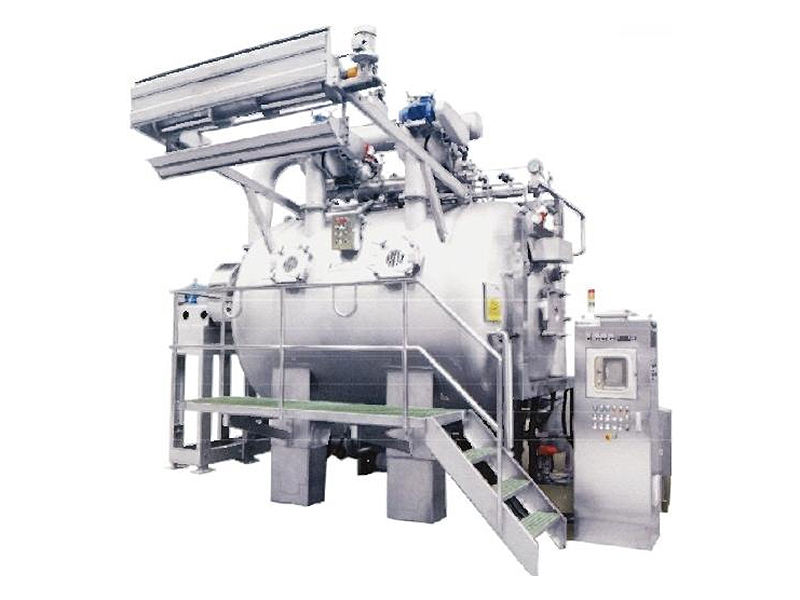
Textile manufacturing facilities face escalating operational pressures driven by rising water consumption, volatile energy rates, and strict effluent discharge regulations. Processing synthetic fabrics traditionally requires massive volumes of heated water and chemical auxiliaries, placing a heavy burden on facility infrastructure. Traditional hydraulic and winch dyeing systems struggle to meet modern efficiency standards. These legacy systems rely on high liquor ratios and often subject synthetic materials to excessive longitudinal tension. This results in permanent crease marks, structural deformation, and inconsistent dye penetration. To overcome these mechanical and chemical bottlenecks, facilities are transitioning to advanced aerodynamic solutions. A Gas Liquid Dyeing Machine operates by decoupling the fabric transport mechanism from the dye liquor itself. By utilizing a high-velocity airflow mixed with atomized dye, this equipment drastically reduces water usage while eliminating the tension issues inherent in water-driven transport.
Liquor Ratio Reduction: Gas liquid systems typically operate at ultra-low liquor ratios (often 1:3 to 1:4), drastically reducing water, steam, and chemical consumption compared to traditional overflow machines.
Superior Synthetic Handling: Aerodynamic fabric transport minimizes longitudinal tension, significantly reducing the risk of crease marks and deformation in sensitive synthetic fabrics and blends.
Precision Temperature Control: Enhanced thermal regulation ensures consistent dye exhaustion and levelness, which is critical for high-density polyester fabric dyeing.
Implementation Realities: While utility savings are substantial, transitioning requires upfront capital expenditure, specialized operator training, and rigorous vetting of the dyeing machine manufacturer to ensure long-term support.
Traditional dyeing operations utilize water as both the chemical medium for dye transfer and the physical mechanism to move the fabric through the vessel. This dual-purpose approach creates a fundamental inefficiency on the production floor. Moving heavy, wet fabric requires massive volumes of water, forcing facilities to maintain high liquor ratios simply to keep the material circulating. This excess water must be continuously heated, chemically treated, and eventually processed as wastewater. Plant managers constantly battle the physics of moving 500 kilograms of fabric using thousands of liters of water.
Modern gas liquid dyeing technology fundamentally changes this dynamic. Instead of relying on a deep liquid bath to push the textile, these machines utilize a high-speed mixture of air or inert gas combined with atomized dye liquor to propel the fabric through the circulation tube. This aerodynamic transport separates the mechanical movement of the textile from the chemical dyeing process. Operators no longer need to flood the chamber just to achieve fabric turnover.
The physics of this separation offer distinct advantages. A powerful blower generates an airstream that gently lifts and carries the fabric rope. Because the fabric is not dragging against a heavy volume of water or being forcefully pulled by a mechanical winch, longitudinal tension drops significantly. The textile relaxes as it moves, allowing the fibers to open up and receive the dye more effectively. We see this directly on the floor when processing lightweight synthetics that would otherwise stretch out of specification in a standard overflow machine.
The core of this system relies on specialized nozzle technology designed to atomize the dye liquor into micro-droplets. Rather than submerging the fabric, the nozzles spray a fine mist directly into the airstream, which then uniformly coats the moving textile. The nozzle pressure and airflow velocity must be calibrated precisely to match the fabric weight and density.
Atomization exponentially increases the surface area of the dye liquor. When these micro-droplets make contact with the synthetic fibers, they penetrate faster and deeper than they would in a traditional submerged bath. This rapid absorption ensures uniform color distribution without requiring prolonged exposure to high temperatures. Furthermore, the atomized delivery system expertly handles dyebath auxiliaries. Dispersing agents, pH regulators, and leveling agents are distributed evenly across the fabric surface, ensuring precise fiber-selective absorption and preventing localized chemical buildup.
Processing synthetics requires exact environmental controls to prevent fiber damage and ensure colorfastness. The unique properties of aerodynamic systems provide tailored solutions for these sensitive materials. When you run a batch of high-density synthetics, the margin for error is practically zero.
Effective polyester fabric dyeing presents specific challenges, primarily due to the material's glass transition temperature and the tendency for oligomer buildup. When polyester is heated in a traditional hydraulic machine, it becomes pliable. If subjected to high tension or sudden cooling while in this state, permanent creases and abrasion marks form, ruining the batch. These defects cannot be fixed in finishing.
The tensionless airflow transport of a gas liquid system prevents these defects. The fabric remains in a relaxed state throughout the high-temperature phases. Because the material is continuously repositioned by the airstream rather than being dragged through a restrictive liquid bath, heavy or tightly woven polyesters maintain their structural integrity and smooth surface finish. The blower speed adjusts dynamically to keep the fabric lofted, preventing it from packing tightly at the bottom of the J-box.
Beyond standard polyester, a dedicated synthetic fabric dyeing machine must handle diverse polymers like nylon, acetate, and acrylic. Each material reacts differently to heat and tension. The low-tension environment prevents structural deformation in delicate acrylics and heat-sensitive acetates, which easily warp under physical stress. We frequently adjust the blower RPMs specifically to accommodate the lower tensile strength of acetate blends.
Precise control over fiber-selective synthetic dyes enhances overall colorfastness. The atomized environment prevents uneven dye take-up across different polymer structures, ensuring that complex blends achieve a uniform, level shade without patchiness. The mist penetrates the yarn bundle completely, reaching the core fibers that traditional baths often miss.
Synthetic dyes, particularly disperse and acid dyes, require a very narrow temperature range to bond correctly with the fibers. Fluctuations lead to poor dye exhaustion and inconsistent batches. The gas-liquid environment allows for rapid, uniform heating and cooling curves. Because there is significantly less water to heat, the system reaches target temperatures faster and holds them with greater stability. This thermal precision prevents dye migration during the cooling phase, ensuring reliable batch-to-batch color reproducibility. A standard heating gradient of 2°C per minute is easily maintained without overtaxing the heat exchanger.
The shift from hydraulic to aerodynamic processing yields measurable improvements in facility resource consumption. The numbers on the utility meters drop noticeably within the first month of operation.
Metric | Traditional Hydraulic Machine | Gas Liquid Dyeing Machine |
|---|---|---|
Liquor Ratio | 1:8 to 1:10 | 1:3 to 1:4 |
Steam Requirement | High (Heating large water volumes) | Low (Heating minimal water volumes) |
Fabric Tension | High (Water drag and winch pulling) | Low (Aerodynamic lifting) |
Chemical Usage | High (Dosed for large bath volumes) | Low (Dosed for concentrated atomization) |
Operating at a 1:3 liquor ratio creates a cascading effect on utility requirements. Less water intake directly translates to less steam required for heating. Furthermore, because chemical auxiliaries are dosed based on total bath volume, reducing the water volume slashes chemical stock requirements. Reducing these inputs lowers waste generation and directly improves factory-level margins. You spend less on incoming water, less on boiler fuel, and less on effluent treatment.
Selecting the appropriate equipment requires matching machine specifications to facility infrastructure and production goals. You cannot simply drop a new machine onto the floor and expect immediate results without proper planning.
Facility managers must align machine capacity with daily production volumes. This involves evaluating the number of storage tubes and the internal chamber size. A multi-tube configuration allows for higher throughput of lighter fabrics, while larger single chambers accommodate heavy, bulky synthetics. Additionally, assess the physical footprint. While gas liquid systems are highly efficient, the inclusion of large blower motors and filtration units may require layout adjustments compared to legacy overflow equipment. Ensure your concrete slab can handle the dynamic load of the high-speed blowers.
Modern textile processing relies heavily on automation to eliminate human error. Evaluate the programmable logic controllers (PLCs) responsible for managing airflow speed, liquor dosing rates, and complex temperature curves. The machine's control panel must integrate seamlessly with the facility's existing ERP or central color management systems. Automated recipe management ensures that chemical dosing and thermal profiles are executed identically across multiple shifts. Operators should be monitoring the process, not manually turning valves.
While highly versatile, aerodynamic systems must be calibrated for specific synthetic profiles. Assess performance across 100% polyester, nylon, spandex blends, and microfibers. Note potential limitations: extremely lightweight or highly permeable fabrics might allow the airstream to pass directly through the material rather than pushing it forward. In these cases, specific nozzle adjustments or hybrid airflow settings are required to maintain proper circulation. We use interchangeable nozzle inserts to adapt to different fabric weights on the fly.
Deploying new dyeing technology disrupts established workflows. Proactive management of the transition phase ensures rapid integration and minimizes production downtime. You need a solid plan before the riggers even bring the machine into the building.
Transitioning from hydraulic to aerodynamic dyeing systems introduces a steep learning curve for floor operators. The physical loading procedures, nozzle calibration techniques, and troubleshooting protocols differ significantly. Facilities must implement rigorous training programs focused on managing airflow faults, cleaning lint filters, and adjusting blower speeds based on fabric weight. Proper training prevents fabric blockages and ensures the equipment operates at peak efficiency.
Establish baseline parameters for your top five running fabrics before full production begins.
Train maintenance staff specifically on blower motor lubrication and nozzle cleaning schedules.
Implement a daily checklist for lint filter inspection to prevent airflow restriction.
Calibrate the chemical dosing pumps weekly to ensure atomization consistency.
The reliability of the equipment is directly tied to the competence of the dyeing machine manufacturer. Procurement teams must look beyond the initial equipment specifications and evaluate the vendor's support infrastructure. A machine is only as good as the parts and service backing it up.
Availability of local service technicians for rapid deployment during breakdowns.
Comprehensive spare parts inventory, particularly for high-wear components like blower fans and atomizing nozzles.
Clear, enforceable warranty terms covering both mechanical and electronic components.
Willingness to conduct pilot trials using the facility's specific synthetic fabric substrates prior to finalizing the purchase.
Investing in advanced aerodynamic dyeing technology is a strategic imperative for high-volume synthetic production facilities facing strict environmental regulations and escalating utility costs. The ability to process delicate polymers at ultra-low liquor ratios while virtually eliminating tension-induced defects provides a distinct competitive advantage. The primary evaluation lenses remain liquor ratio efficiency, fabric tension control, and automation capabilities.
To move forward with upgrading your facility, take the following steps:
Conduct a comprehensive internal utility audit to establish a baseline for current water, steam, and chemical consumption.
Compile a list of your most challenging synthetic substrates and schedule physical pilot testing with shortlisted manufacturers.
Evaluate your plant floor layout to ensure adequate space and structural support for blower motor installations.
Review your current effluent treatment capacity to project the savings from reduced wastewater volume.
A: A pure airflow machine relies almost entirely on air to transport the fabric, which can sometimes lead to uneven dye distribution on heavier materials. A gas-liquid system uses a mixed atomization approach, combining the aerodynamic transport of air with a precisely injected mist of dye liquor, ensuring better penetration and smoother transport across a wider variety of fabric weights.
A: It improves polyester processing by eliminating the physical drag associated with water baths. The tensionless aerodynamic transport prevents the formation of permanent crease marks while the fabric is in its pliable, heated state. Additionally, precise temperature control ensures uniform dye exhaustion.
A: These machines typically operate at an ultra-low liquor ratio ranging from 1:3 to 1:4. The exact ratio depends on the fabric's absorbency, weight, and the specific synthetic blend being processed.
A: Yes, it can process natural fibers like cotton. However, because natural fibers absorb significantly more water than synthetics, the operational parameters, liquor ratios, and overall utility savings will differ from those achieved when processing 100% synthetic materials.
A: The system uses specialized nozzles to atomize the dye and chemicals into micro-droplets. This mist is injected directly into the airstream, ensuring uniform delivery of pH regulators, leveling agents, and disperse dyes across the fabric surface, matching the specific selectivity of the fibers.
A: Prioritize manufacturers that offer robust post-sale support, rapid availability of spare parts like nozzles and blowers, and the engineering capability to provide custom nozzle configurations tailored to your specific fabric profiles.
A: Yes. By operating at a 1:3 to 1:4 liquor ratio, the machine drastically reduces the volume of water intake. This lower water usage, combined with higher dye exhaustion rates, results in a significantly reduced volume of wastewater, lowering the overall burden and cost of effluent treatment.


