
- All
- Product Name
- Product Keyword
- Product Model
- Product Summary
- Product Description
- Multi Field Search
English
Views: 0 Author: Site Editor Publish Time: 2026-01-16 Origin: Site


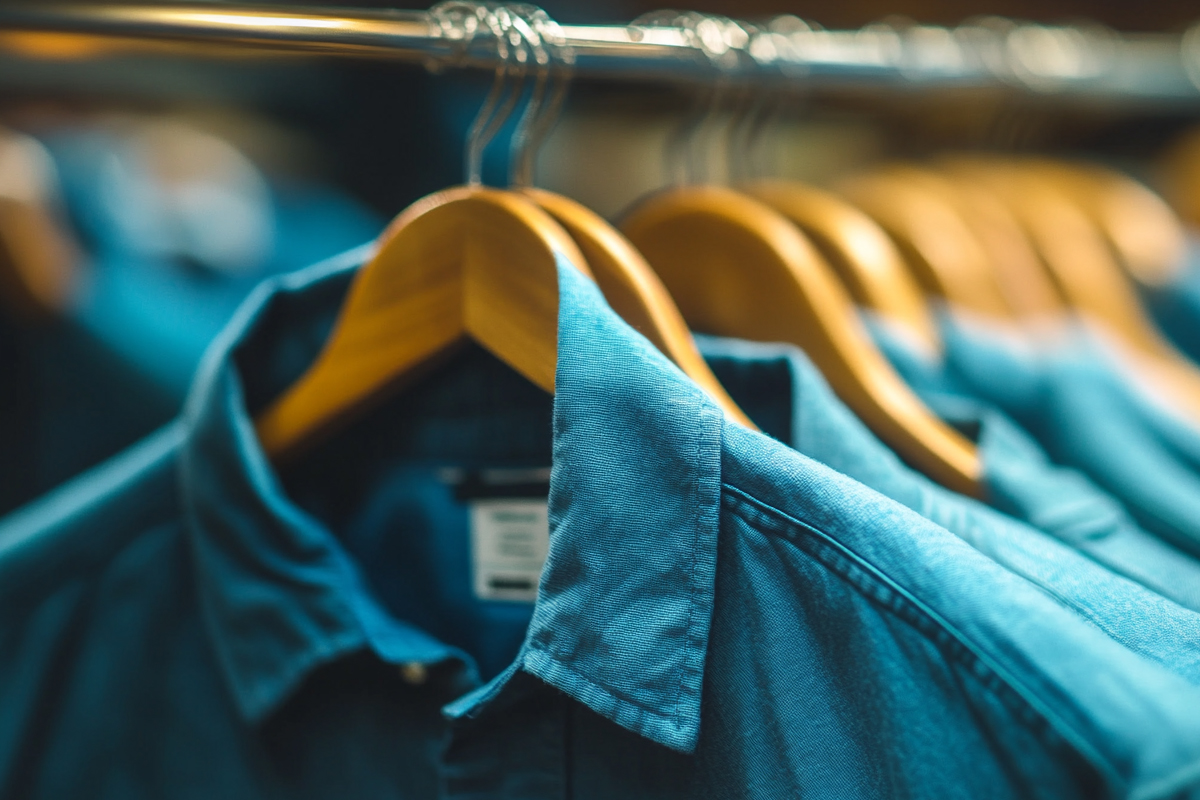
From the shirt on your back to the carpet under your feet, almost every fabric in your life exists thanks to a complex series of industrial processes. But have you ever stopped to consider the incredible engineering behind these products?
In this comprehensive guide, we will break down the machines used in the textile industry, mapping them directly to the production stages they serve. We’ll explore everything from the heavy-duty equipment that processes raw cotton to the delicate finishing tools that make fabrics soft, durable, and ready for wear.
Textile manufacturing isn’t a single action; it is a sequence of distinct, interdependent steps. You cannot understand the machinery without understanding the flow of production. If one machine in the chain underperforms—say, a carding machine leaves impurities in the fiber—the flaws will ripple all the way down to the dyeing and finishing stages, resulting in a subpar product.
The complete textile machinery ecosystem moves from fiber to yarn, yarn to fabric, fabric to coloration, and coloration to finishing. For manufacturers, the most common challenge isn’t just buying equipment; it is choosing the right fabric machine for the specific type of material being produced. A machine optimized for sturdy denim, for example, would destroy delicate silk.
This guide covers the major textile machinery types found in modern mills, organized logically by the manufacturing process they perform.
Before a single thread can be spun, raw materials—whether natural like cotton and wool, or synthetic like polyester—must be processed. This stage determines the purity and consistency of the final textile.
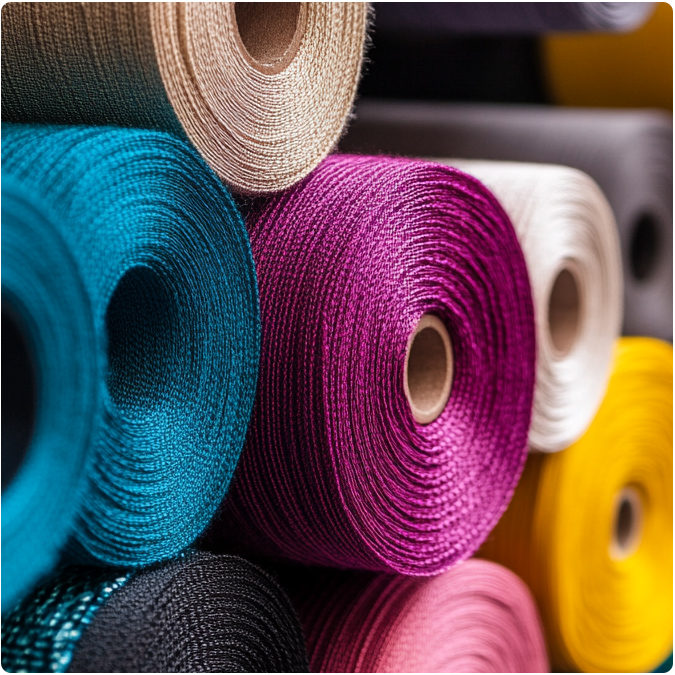
Raw fibers, particularly cotton, arrive at mills in dense, compressed bales containing dirt, seeds, and trash. Opening machines (often called Bale Openers) pluck small tufts of fiber from these bales to begin loosening them. Cleaning machines then use air currents and beaters to separate heavy impurities from the usable fiber. For wool, scouring trains wash away grease (lanolin) and dirt. Without this crucial step, the yarn would be weak and uneven.
Consistency is key in textiles. Blending machines ensure that fibers from different bales (which might vary slightly in color or texture) are mixed thoroughly to create a uniform batch. This is also where different fiber types are combined, such as blending cotton with polyester, to create fabrics that offer the benefits of both materials.
Carding is often described as the “heart” of the spinning mill. Carding machines use wire-toothed rollers to separate individual fibers, remove remaining impurities, and align the fibers into a thin web, which is then condensed into a loose rope called a “sliver.”
For higher-quality fabrics, a Combing machine is used after carding. Combers remove short fibers and straighten the long fibers, resulting in a smoother, stronger, and more lustrous yarn.
The sliver produced by carding isn’t quite ready for spinning. Drawing frames pull multiple slivers together, stretching and combining them to improve uniformity and further parallelize the fibers. This process reduces the thickness of the sliver, preparing it for the final spinning process.
Once the fiber is prepared, it must be twisted into yarn. This is where the material gains the strength required for weaving or knitting.
Spinning is perhaps the most iconic stage of textile production. There are three primary technologies used today:
Ring Spinning: The traditional method that produces the highest quality, strongest, and softest yarn. It is slower but versatile.
Rotor (Open-End) Spinning: A faster, more automated process used for coarser yarns, such as those used in denim or towels.
Air-Jet Spinning: Uses high-speed air currents to twist fibers. It offers extremely high production rates and creates yarn with low hairiness (fuzz).
For synthetic fibers, or to increase the durability of natural yarns, twisting machines bind two or more single yarns together (plying). Texturizing machines are specifically used for synthetic filaments (like nylon or polyester) to introduce crimp, bulk, and elasticity, making them feel more like natural fibers.
Once spun, yarn must be packaged onto cones or cheeses suitable for the next machine in the chain. Winding machines do this at high speeds while simultaneously inspecting the yarn. Modern winders are equipped with sensors that detect and cut out defects (like thick or thin spots), splicing the yarn back together seamlessly.
Before knitting or weaving, yarn often passes through conditioning machines that use steam to set the twist and stabilize moisture levels. This prevents the yarn from snarling or breaking during high-speed fabric formation.
This is the stage where yarn becomes cloth. The two dominant methods are weaving and knitting, though nonwoven technologies are growing rapidly.
Weaving involves interlacing two sets of yarns (warp and weft) at right angles.
Shuttle Looms: Older technology, largely replaced due to slow speeds and noise.
Rapier Looms: Extremely versatile machines that use finger-like grippers to carry weft yarn across the fabric. They can handle complex patterns and delicate yarns.
Air-Jet and Water-Jet Looms: These use blasts of air or water to propel the yarn. They are the fastest looms available, ideal for mass production of standard fabrics like linings or bedsheets.
Knitting interloops a single yarn or set of yarns.
Circular Knitting Machines: These produce fabric in a tube shape. They are highly efficient and used for T-shirts, leggings, and activewear.
Flat Knitting Machines: These knit flat panels and are essential for producing shaped garments like sweaters, collars, and sophisticated shoe uppers (like Nike Flyknit).
Nonwovens bypass the yarn stage entirely, bonding fibers together using heat, chemicals, or mechanical force.
Spunbond and Meltblown lines: Crucial for medical textiles (like masks) and hygiene products.
Needle-punch machines: Used for carpets, filtration felts, and automotive interiors.
The choice depends on the end product. Weaving offers structure and stability (jeans, shirts). Knitting offers stretch and comfort (sportswear, socks). Nonwovens offer speed and specific barrier properties (medical gowns, wipes).
Raw fabric, known as “greige” goods, usually needs color to be marketable.
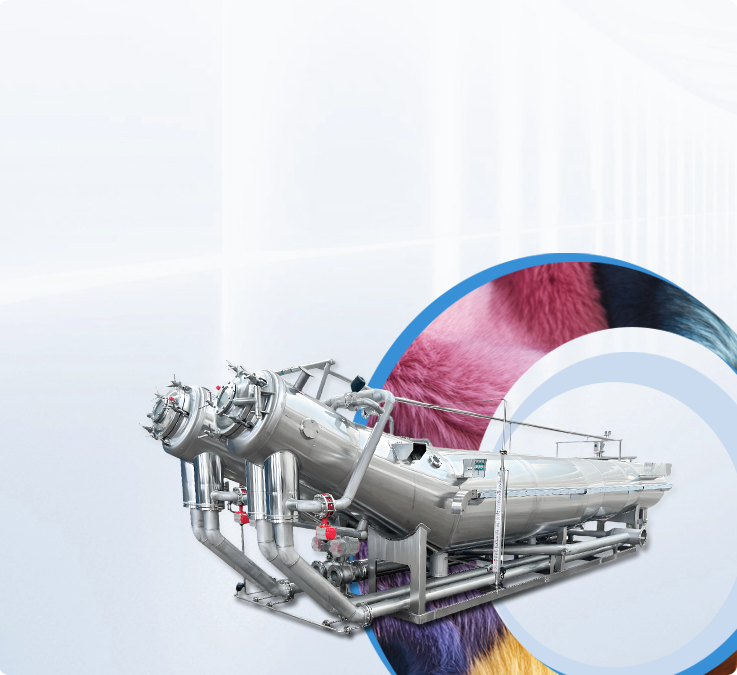
Jet Dyeing Machines: The fabric is circulated through a dye bath by a jet of liquid. This is excellent for delicate knitted fabrics as it minimizes tension.
Jigger Dyeing: The fabric moves back and forth through a dye bath from one roller to another. Best for woven fabrics that cannot handle creasing.
Beam Dyeing: Fabric is wound onto a perforated beam, and dye is pumped through the layers.
Winch Dyeing: An older method where fabric is drawn continuously through a dye bath by a reel.
Batch dyeing processes a specific amount of fabric at a time (ideal for smaller orders or custom colors). Continuous dyeing machines run fabric through a long line of padders and steamers without stopping, offering high efficiency for massive runs of a single color.
You cannot use the same machine for everything. High-pressure vessels are required for dyeing polyester (which needs high heat), while atmospheric machines work for cotton. Technical textiles may require specialized applicators to ensure even coverage without damaging coating layers.
Rotary Screen Printing: Uses cylindrical screens to roll patterns onto fabric. Fast and cost-effective for large runs.
Digital Printing: Operates like a giant inkjet printer. It allows for photo-realistic designs and unlimited colors without the setup cost of screens, revolutionizing fast fashion.
Transfer Printing: Prints designs onto paper first, then heat-transfers them to fabric (Sublimation).
Modern dye houses use automated dispensing systems for chemicals and dyes. This integration ensures that the exact recipe is used every time, reducing human error and color matching issues (“batch-to-batch consistency”).
The dyeing industry is water-intensive. New “low liquor ratio” machines use significantly less water per kilogram of fabric. Additionally, airflow dyeing machines use air instead of water to transport fabric, drastically cutting energy and water consumption.
Finishing gives the fabric its final touch and functional properties.
Stenter (Tenter) Frames: The most common finishing machine. It stretches the fabric to its final width and dries it, correcting any distortion from dyeing.
Calender Machines: High-pressure rollers that smooth the fabric surface to create shine (glazing) or density.
Compacting Machines: Force fabric to shrink before cutting, ensuring your T-shirt doesn’t shrink two sizes in the wash.
Raising/Brushing Machines: Pull fibers from the surface to create a fuzzy, warm texture (like fleece).
These machines apply liquids or foams to the fabric surface. Examples include resin finishing for wrinkle resistance or softeners for hand-feel.
This sector uses coating and laminating machines to apply waterproof layers (like for raincoats), flame retardants, or antimicrobial treatments for medical scrubs.
Smart finishing lines now use cameras and sensors to detect moisture and fabric width in real-time, adjusting temperature and speed automatically to save energy and prevent over-drying.
Finally, the fabric becomes a product.
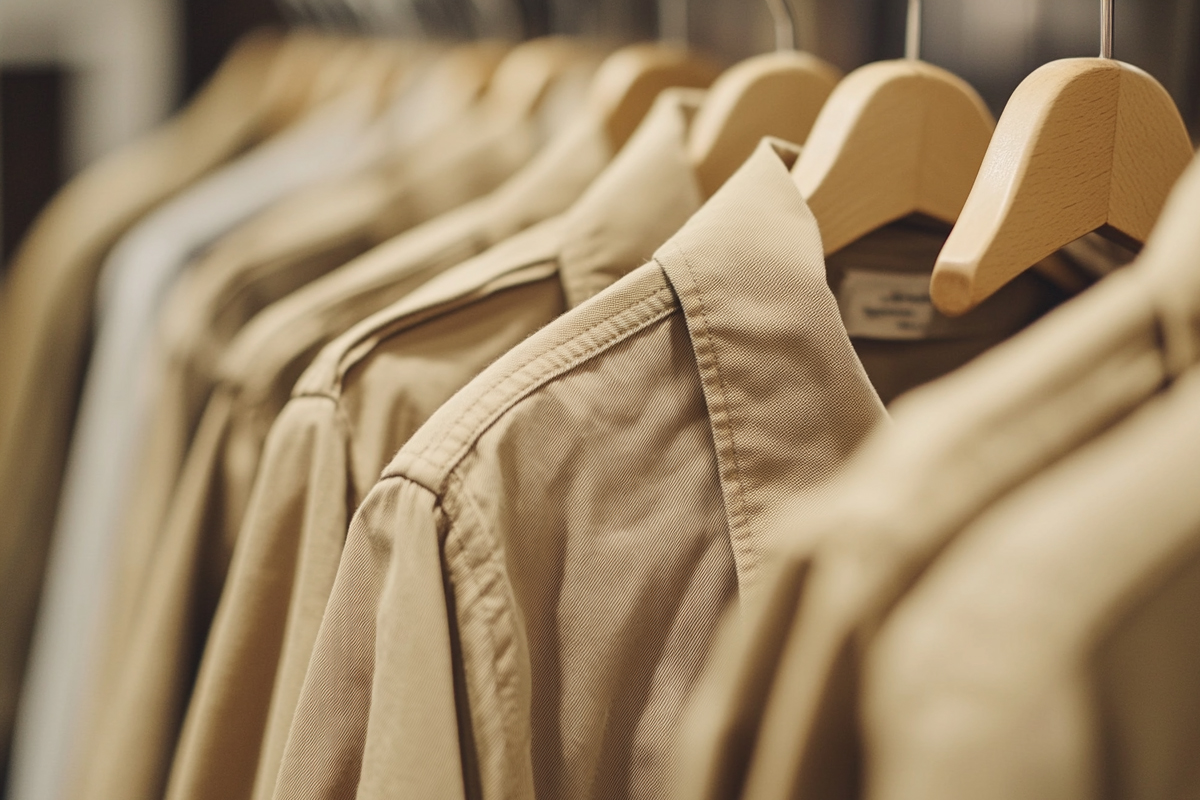
Manual Cutters: Hand-held electric knives for small layers.
CNC Cutters: Computer-controlled blades that cut through thick stacks of fabric with millimeter precision.
Laser Cutters: Seal the edges as they cut, preventing fraying on synthetics.
Industrial sewing machines are vastly faster and more durable than home models. They include:
Lockstitch machines: The standard straight stitch.
Overlock machines (Sergers): Trim and bind edges.
Buttonhole and Button Sewing machines: Specialized automation for fasteners.
Garment factories use hanging production systems (overhead conveyors) to move parts between sewing stations. Finally, automatic folding and bagging machines prepare the goods for retail.
To ensure products meet international standards, testing is mandatory.
Tensile Testers: Pull fabric until it breaks to measure strength.
Martindale Abrasion Testers: Rub fabric to simulate wear and tear (pilling).
Crockmeters rub dyed fabric against white cloth to see if color transfers. Fade-O-Meters expose fabric to intense artificial light to predict fading from sunlight.
The future of QC lies in computer vision. Automated fabric inspection machines scan rolls at high speed, using AI to identify and map defects (holes, oil spots) that the human eye might miss.
The textile industry is no longer about labor-intensive handwork; it is a high-tech arena defined by automation, speed, and sustainability. Understanding the vast array of textile machinery types—from the carding machine that aligns the first fiber to the laser cutter that shapes the final pattern—is essential for anyone navigating this sector.
Integrated textile equipment is what defines manufacturing competitiveness today. It allows mills to switch quickly between products, minimize waste, and deliver quality that meets the exacting standards of modern brands.
As we look toward the future, the trend is clear: smart manufacturing. Machines that talk to each other, self-diagnose maintenance needs, and optimize their own energy usage are becoming the new standard. Whether you are upgrading a single dyeing machine or designing a new plant, choosing the right technology is the most significant investment you will make.

If you are evaluating fabric dyeing machines for your production line-or planning to upgrade your existing equipment-working with an experienced manufacturer can significantly reduce technical risks and investment uncertainty.
At MIXC Dyeing, we specialize in designing and manufacturing advanced fabric dyeing machines tailored to diverse textile applications, from small-batch customization to large-scale industrial production.
If you are looking for professional guidance, customized solutions, or competitive equipment options, we invite you to contact us. Our engineering team is ready to help you optimize your dyeing process with efficient, reliable, and future-oriented machinery.


