
- All
- Product Name
- Product Keyword
- Product Model
- Product Summary
- Product Description
- Multi Field Search
English
Views: 0 Author: Site Editor Publish Time: 2026-08-03 Origin: Site


Textile mills face mounting pressure to balance high-volume production with strict environmental compliance and volatile utility costs. Aging equipment creates severe operational bottlenecks on the dye house floor. It inflates water and energy consumption while eroding profit margins through unacceptably high rework rates. Relying on outdated infrastructure guarantees failure in modern textile operations. Evaluating a Dyeing Machine Investment requires a rigorous, field-tested framework. Mill managers must look beyond basic capacity metrics. You need to analyze fabric compatibility, focusing on the distinct mechanical requirements of knits versus wovens. Sustainability metrics and operational payback periods dictate the viability of any upgrade. This guide breaks down the essential evaluation criteria to ensure your next equipment upgrade delivers measurable efficiency gains, eliminates production bottlenecks, and secures long-term profitability.
Accelerated ROI: Strategic equipment upgrades or targeted retrofits can yield payback periods as short as 1 to 10 months by drastically reducing water, chemical, and thermal energy usage.
Technology Matching: Choosing between atmospheric and high temperature dyeing machine systems depends strictly on fiber composition (natural vs. synthetic), fabric structure (knits vs. wovens), and production scale.
Compliance as a Driver: Deploying an energy saving dyeing machine is no longer optional; it is a baseline requirement for passing brand-partner audits and meeting global effluent standards.
Risk Mitigation: Successful deployment requires upfront planning for installation downtime, utility infrastructure compatibility, and operator upskilling.
Your equipment must directly support your specific production model. Evaluate the true scale of your daily operation. High-volume, single-product contract manufacturing demands different machinery than agile, low-volume specialty batch runs. Continuous processing units excel in massive runs of uniform colors. Batch systems offer the flexibility needed for frequent shade changes and smaller orders. You must map your historical order data against the proposed machine capacity. Buying a massive vessel for a facility that primarily handles short-run fashion orders leads to chronic underloading. Underloading destroys liquor ratio efficiency and wastes thermal energy.
Define your fabric-type specialization clearly. The mechanical differences required for knit dyeing and finishing are vastly different from structured woven processing. Knitted fabrics require tensionless transport to prevent dimensional distortion. Woven fabrics can withstand higher tension but may require specialized handling to prevent crease marks. Aligning the mechanical action of the machine with your primary fabric output is the first step in a successful upgrade. Consider the weight ranges you process. Heavy terry towels require high-capacity pumps to penetrate the pile. Lightweight synthetics need gentle flow to avoid surface abrasion.
Production Model | Ideal Machine Configuration | Primary Operational Focus |
|---|---|---|
High-Volume Contract | Continuous ranges or large-capacity batch vessels | Maximum throughput and utility reduction per kg |
Agile Fashion/Short Run | Low-capacity, rapid-cycle batch machines | Fast changeovers and automated cleaning cycles |
Heavyweight Wovens | Jigger or heavy-duty jet machines | High pump pressure and tension control |
Delicate Knits | Soft-flow atmospheric machines | Tensionless transport and surface protection |
Before selecting new machinery, conduct a ruthless audit of your existing workflow. Document current cycle times and actual loading capacities. Track the frequency and duration of machine breakdowns across all existing industrial dyeing machine units. These metrics reveal exactly where your current production line is failing. Walk the floor during peak shifts. Observe how operators interact with the control panels. Note how long it takes to drain and fill the vessels. These physical observations often highlight mechanical limitations that data logs miss.
Identify specific quality pain points in the current workflow. Are you experiencing high shade variation between batches? Is fabric abrasion ruining delicate synthetics? Are sensitive knits suffering from excessive tension during the dye cycle? Pinpointing these exact failures allows you to specify features in new equipment designed to eliminate these specific defects. Create a defect matrix mapping specific fabric types to their most common rejection reasons.
Log all mechanical downtime events over a 90-day period.
Categorize downtime by component failure (e.g., main pump, dosing valve, heat exchanger).
Measure actual loading times versus theoretical loading times.
Track the exact duration of heating and cooling gradients.
Record the frequency of manual interventions required by operators.
You cannot measure improvement without a precise baseline. Document your current utility consumption meticulously. Track the exact liters of water used per kilogram of dyed fabric. Measure steam usage during heating phases and monitor the overall electrical load of pumps and motors. These figures form the foundation of your future ROI calculations. Install temporary flow meters if your current machines lack integrated utility tracking. Guessing your water consumption leads to flawed investment models.
Calculate your current Right-First-Time (RFT) percentage. This metric measures the financial impact of redyeing, chemical waste, and lost production time. An RFT rate below industry standards indicates severe inefficiencies. Upgrading your equipment should directly target and improve this specific metric. Track the specific reasons for RFT failures. If shade matching is the primary issue, focus your upgrade on automated dosing and precise temperature control.
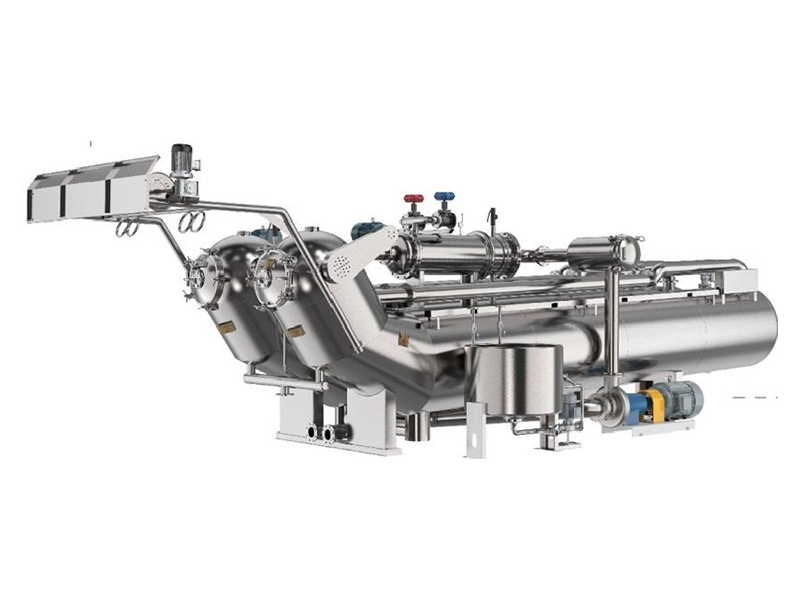
Processing synthetic fibers requires specialized thermal capabilities. Evaluate pressurized jet and beam dyeing systems when working with polyester, nylon, and complex synthetic blends. These fibers require elevated thermal energy to open their polymer structures and accept dye molecules effectively. Standard atmospheric boiling cannot achieve the necessary penetration for deep, fast colors on synthetics. You need equipment built specifically for these thermal demands.
Analyze the structural requirements for operating safely at these extremes. A true high temperature dyeing machine must maintain structural integrity while operating at 135°C to 140°C under elevated pressures. The vessel metallurgy, seal quality, and pressure relief systems must meet stringent industrial safety standards to protect operators and ensure consistent batch quality. Inspect the welding quality on the main vessel. Look for heavy-duty locking mechanisms on the loading doors. Verify the certification of the pressure relief valves.
Natural fibers demand a gentler approach. Review soft-flow and winch dyeing systems optimized for cotton, viscose, and delicate natural fibers. These machines operate efficiently below 100°C at normal atmospheric pressure. They rely on mechanical action and fluid dynamics rather than extreme heat to achieve level dyeing. The design focus shifts from pressure containment to fabric transport efficiency.
Understand the mechanical action differences required for sensitive materials. Atmospheric soft-flow machines utilize specialized nozzles and transport winches to prevent pilling, crease marks, and structural deformation on sensitive knits. The fluid flow carries the fabric gently, minimizing surface friction and preserving the natural hand-feel of the textile. Evaluate the plaiting mechanism inside the storage chamber. Smooth, organized plaiting prevents tangles and ensures uniform liquor contact.
The choice between continuous and batch processing dictates your entire facility layout. Compare the high-volume, single-color efficiency of continuous ranges against the operational flexibility of batch dyeing. Continuous ranges pull fabric through sequential chemical and dye baths without stopping. This maximizes throughput for massive orders of identical fabric. They require significant floor space and precise tension control across multiple drive zones.
Batch dyeing processes discrete lots of fabric inside a closed vessel. This system is essential for smaller, varied fabric lots and frequent color changeovers. While continuous systems offer lower utility consumption per meter on massive runs, batch systems provide the agility required by modern fashion supply chains dealing with fragmented order sizes. Batch machines allow you to isolate different colors and chemistries easily, preventing cross-contamination between runs.
Feature | Continuous Dyeing Systems | Batch Dyeing Systems |
|---|---|---|
Order Size Suitability | Massive runs (10,000+ meters) | Small to medium lots (100 - 2,000 kg) |
Color Changeover Time | Lengthy (requires full line cleanout) | Rapid (automated vessel rinsing) |
Footprint | Extensive linear space required | Compact vertical or horizontal footprint |
Utility Efficiency | High efficiency on long runs | Variable based on liquor ratio and loading |
Water consumption is a critical operational metric. Examine ultra-low liquor ratio (ULLR) capabilities carefully. Modern machines can achieve ratios of 1:3 to 1:5. This reduction has a direct, measurable correlation to reduced water, steam, and chemical consumption. Less water in the vessel means less thermal energy required to heat the bath. It also means higher chemical concentration, which improves dye exhaustion rates and reduces the volume of effluent sent to the treatment plant.
You must evaluate the trade-off between low liquor ratios and fabric safety. Extremely low water volumes increase the risk of uneven dyeing, fabric entanglement, or surface abrasion. The machine's pump design and nozzle configuration must be sophisticated enough to maintain rapid dye liquor circulation and gentle fabric transport even with minimal water present. Ask vendors to demonstrate their ULLR capabilities on your specific fabric weights. A machine that runs 1:4 on heavy cotton may struggle to maintain that ratio on lightweight synthetics without causing tangles.
Verify the minimum safe operating volume of the main pump.
Check the design of the fabric storage chamber for low-friction surfaces.
Evaluate the variable nozzle adjustments for different fabric weights.
Monitor the actual liquor ratio during the rinse cycles, not just the dye phase.
Energy costs dominate mill operating expenses. Assess integrated heat recovery systems when evaluating an energy saving dyeing machine. These systems capture thermal energy from discharged wastewater. They use this recovered energy to preheat incoming clean water, drastically reducing the steam required from your boiler plant. A well-designed heat recovery unit can slash steam consumption by up to 30 percent on high-temperature cycles.
Analyze the physical construction of the machine vessel. High-quality insulation is mandatory. Evaluate the efficiency of the internal heat exchangers. Proper insulation minimizes thermal radiation losses into the factory environment. Efficient heat exchangers ensure rapid heating and cooling gradients, shortening overall cycle times and preserving fiber integrity. Inspect the surface area of the heat exchanger coils. Larger surface areas transfer heat faster, reducing the time your fabric spends exposed to aggressive mechanical action.
Manual chemical handling destroys batch consistency. Evaluate the integration of programmable logic controllers (PLCs) and fully automated chemical dosing systems. Precision dosing ensures that dyes and auxiliaries are introduced into the bath at the exact required rate and temperature. This prevents sudden chemical shocks to the fabric. Automated dosing eliminates the variability of human operators pouring chemicals directly into the addition tank.
Link automated parameter control directly to improved RFT rates. Automated systems manage temperature gradients, main pump speeds, and fabric transport speeds with absolute precision. Removing human error from these critical variables ensures that every batch matches the master standard, drastically reducing costly rework and material waste. Look for control systems that offer visual curve tracking. Operators should see the planned temperature curve overlaid with the actual real-time temperature data.
A comprehensive financial model is essential for approval. Break down the initial purchase price, shipping logistics, import tariffs, and site installation costs. Contrast these upfront capital expenditures against the projected monthly savings in utilities and chemical consumption. High-efficiency machines often offset their initial costs rapidly through reduced daily operating expenses. You must calculate the cost per kilogram of dyed fabric on your current equipment versus the proposed new machinery.
Compare the economics of a full equipment replacement against strategic machine retrofits. Sometimes, adding automated controllers, advanced variable frequency drives (VFDs), or high-grade insulation blankets to existing vessels yields significant efficiency gains. Evaluate whether a complete replacement or a targeted retrofit aligns better with your current capital availability and production goals. A retrofit extends the life of heavy iron vessels while modernizing the control logic.
Develop a strict framework for modeling your payback period. Reference industry benchmarks and historical data from similar mill upgrades. In highly inefficient baseline setups, replacing outdated equipment with modern technology results in payback periods as short as 1 to 10 months. This rapid return is driven almost entirely by utility conservation. You must factor in local utility rates for water, steam, and electricity to build an accurate model.
Factor in the secondary financial benefits. Increased throughput means more billable product per shift. Reduced rework lowers chemical waste and labor costs. Minimized waste disposal levies improve the bottom line. A holistic ROI calculation includes these operational efficiencies alongside raw utility savings. Calculate the exact cost of a single redye batch on your current setup. Multiply that by your current failure rate to expose the hidden financial drain of poor RFT performance.
Do not ignore the peripheral costs of new machinery. Account for preventative maintenance contracts and the availability of proprietary spare parts. A machine that requires expensive, imported components for basic repairs drains your maintenance budget. Ensure local support and parts availability before finalizing any purchase. Ask the vendor for a recommended spare parts list and price it out locally.
Evaluate required utility infrastructure upgrades. Modern textile dyeing equipment may require larger boiler capacities, specific compressed air parameters, or upgraded effluent treatment plants to handle more concentrated wastewater. Failing to account for these facility upgrades disrupts your installation timeline and budget. Check your current air compressor capacity. Automated pneumatic valves on modern machines consume significant air volume.
Environmental compliance dictates market access. Analyze how modern machines integrate with Zero Liquid Discharge (ZLD) systems. Ultra-low liquor ratio machines produce lower volumes of highly concentrated effluent. This specific wastewater profile is often easier and more efficient for advanced ZLD plants to process, reducing overall evaporation costs. Less water volume means smaller holding tanks and lower pumping costs in your effluent plant.
Advanced equipment plays a pivotal role in securing key industry certifications. Meeting OEKO-TEX®, bluesign®, and ZDHC guidelines requires strict control over chemical usage and wastewater discharge. Deploying a modern textile factory solution provides the data logging and process control necessary to pass rigorous brand-partner environmental audits. Modern PLCs export batch reports detailing exact chemical dosing times and temperature profiles. Auditors demand this level of traceability.
Your investment must adapt to future market shifts. Evaluate machines that allow for modular capacity expansion. Some systems permit the addition of extra dyeing tubes or upgraded software controllers without requiring a full vessel replacement. This modularity protects your initial capital investment as your production volumes grow. Check if the main circulation pump has the capacity to handle an additional tube in the future.
Consider compatibility with emerging chemical technologies. The industry is shifting toward alternative dyes, bio-synthetic colorants, and low-temperature dyeing auxiliaries. Ensure your new equipment features the precise temperature control and dosing flexibility required to process these next-generation sustainable chemistries effectively. Bio-dyes often require highly specific pH control and extended dwell times at lower temperatures. Your control system must handle these non-standard profiles.
Replacing heavy machinery disrupts production. Develop a phased installation roadmap to maintain partial production capacity during the transition. Never take your entire dye house offline simultaneously. Schedule decommissioning, floor preparation, and new machine commissioning in staggered phases. Build buffer stock of dyed fabric before taking any major vessel offline.
Coordinate relentlessly with your equipment vendors. Confirm precise delivery timelines and exact mechanical footprints. Complete all pre-installation site preparation, including trenching for drains and routing new utility lines, before the new machine arrives on the factory floor. Delays in site prep translate directly to lost production revenue. Verify the floor loading capacity. Modern high-pressure vessels are incredibly heavy when fully loaded with water and fabric.
New technology is useless if your team cannot operate it. Address the risk of operator resistance early. Transitioning from manual valves to complex PLC touchscreens requires a significant mental shift. Involve key operators in the selection process to build buy-in and reduce friction during deployment. Show them how automated dosing makes their daily tasks safer and less physically demanding.
Mandate comprehensive vendor-led training programs. This training must cover software navigation, daily maintenance routines, mechanical troubleshooting, and emergency safety protocols. Do not allow vendors to leave the site until your shift supervisors can confidently run the machine, adjust parameters, and clear basic faults independently. Create laminated quick-reference guides for common alarm codes and attach them directly to the control panels.
A dyeing machine does not operate in isolation. Ensure the new machine's control software can export data seamlessly to your mill's central ERP system. Real-time data integration is essential for accurate cost tracking, utility monitoring, and comprehensive batch traceability for your clients. Test the API connections between the machine PLC and your factory network before signing off on the commissioning.
Verify mechanical and process compatibility with your existing finishing equipment. The moisture content and fabric width exiting the new dye machine must align with the intake requirements of your stenters, tensionless dryers, and compactors. Process mismatches here create massive bottlenecks in your finishing department. If the new machine outputs fabric with higher residual moisture, your stenter speeds will drop, negating the throughput gains achieved in the dye house.
Conduct a comprehensive utility audit of your current dye house to establish a firm baseline for water, steam, and electrical consumption.
Request pilot dye trials with your specific fabrics from shortlisted vendors to verify actual liquor ratios and fabric handling capabilities.
Demand detailed ROI projections based on your exact utility costs and production volumes before signing any purchase agreements.
Map out a phased installation schedule that maintains partial production capacity and accounts for all necessary utility infrastructure upgrades.
A: Depending on the inefficiency of the baseline equipment and local utility costs, payback periods range from 1 to 10 months. This rapid return is driven by drastic reductions in water, steam, and chemical consumption, alongside improved right-first-time rates.
A: High temperature machines are heavily pressurized vessels designed to safely process synthetic fibers like polyester at 135°C to 140°C. Atmospheric machines operate unpressurized below 100°C and are optimized for gentle processing of natural fibers like cotton and viscose.
A: Modern energy-saving machines typically achieve ultra-low liquor ratios between 1:3 and 1:5. This minimizes the water volume required, which directly reduces the thermal energy and chemical quantities needed for each batch.
A: Existing equipment can often be retrofitted. Installing advanced PLCs, variable frequency drives (VFDs), and high-quality thermal insulation significantly improves efficiency without the capital expense of a full machine replacement.
A: Automated dosing eliminates human error in chemical measurement and introduction rates. By precisely controlling temperature gradients and chemical delivery, these systems ensure consistent batch-to-batch quality, drastically improving RFT rates and reducing rework.
A: Upgrading may require modifications to your boiler capacity, compressed air systems, and effluent treatment plants. Modern machines often discharge lower volumes of more highly concentrated wastewater, which your treatment facility must be equipped to handle.
A: Advanced machines provide precise control over chemical usage, minimize water discharge, and offer detailed data logging. This verifiable process control is essential for meeting stringent global effluent standards and passing rigorous environmental audits from major apparel brands.


